Short answer
Insurance for mold removal in New York City usually depends on the cause: mold that follows a sudden, covered water loss, like a burst pipe, is often part of the claim, while mold from a slow leak, long-term humidity or neglect usually is not. Flood and sewer backup are often separate coverage. Every policy differs, so read yours or ask your agent.
The short version: it depends on the cause
Most homeowners policies are written around sudden and accidental events. If a pipe bursts, a supply line fails or the washing machine floods the kitchen, the water damage is often covered, and mold that results from that event may be too. If the mold grew from a leak that dripped for months, from humidity or from a maintenance problem, policies commonly exclude it. This guide is general information, not insurance or legal advice.
Sudden water versus slow leaks
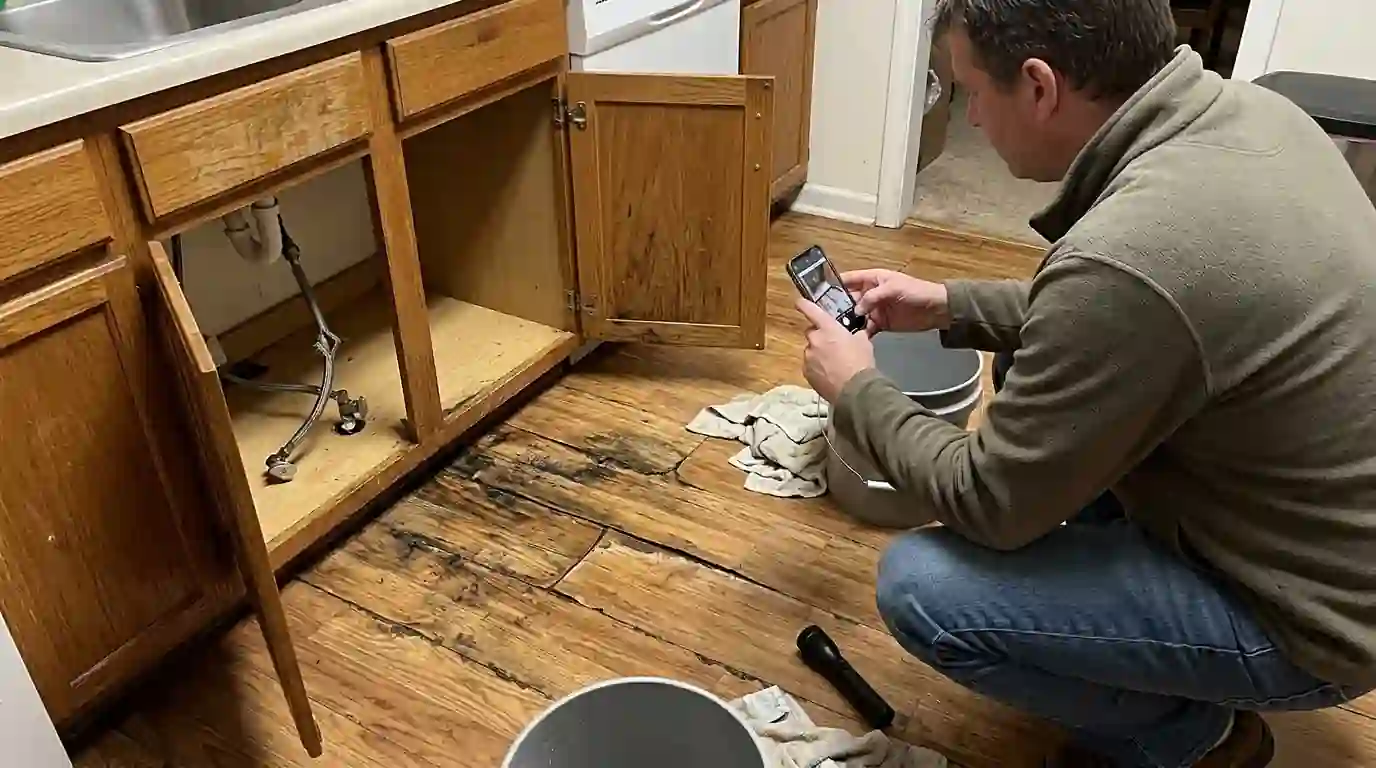
The difference usually comes down to timing and whether the problem could have been noticed. A burst pipe on a cold night is sudden. A trap under the sink that wept for a year is slow. Photos, dates and moisture readings help show which one you are dealing with, which is one reason to call quickly and document everything before cleanup starts.
Flood and sewer backup are often separate
Two common basement losses are often outside a standard homeowners policy. Flood damage, water coming in from outside at ground level, is typically covered only by a separate flood policy. Sewer and drain backup, water coming up through the plumbing, is often covered only with a specific endorsement. If your basement floods in heavy rain, check which of these you have before assuming either way.
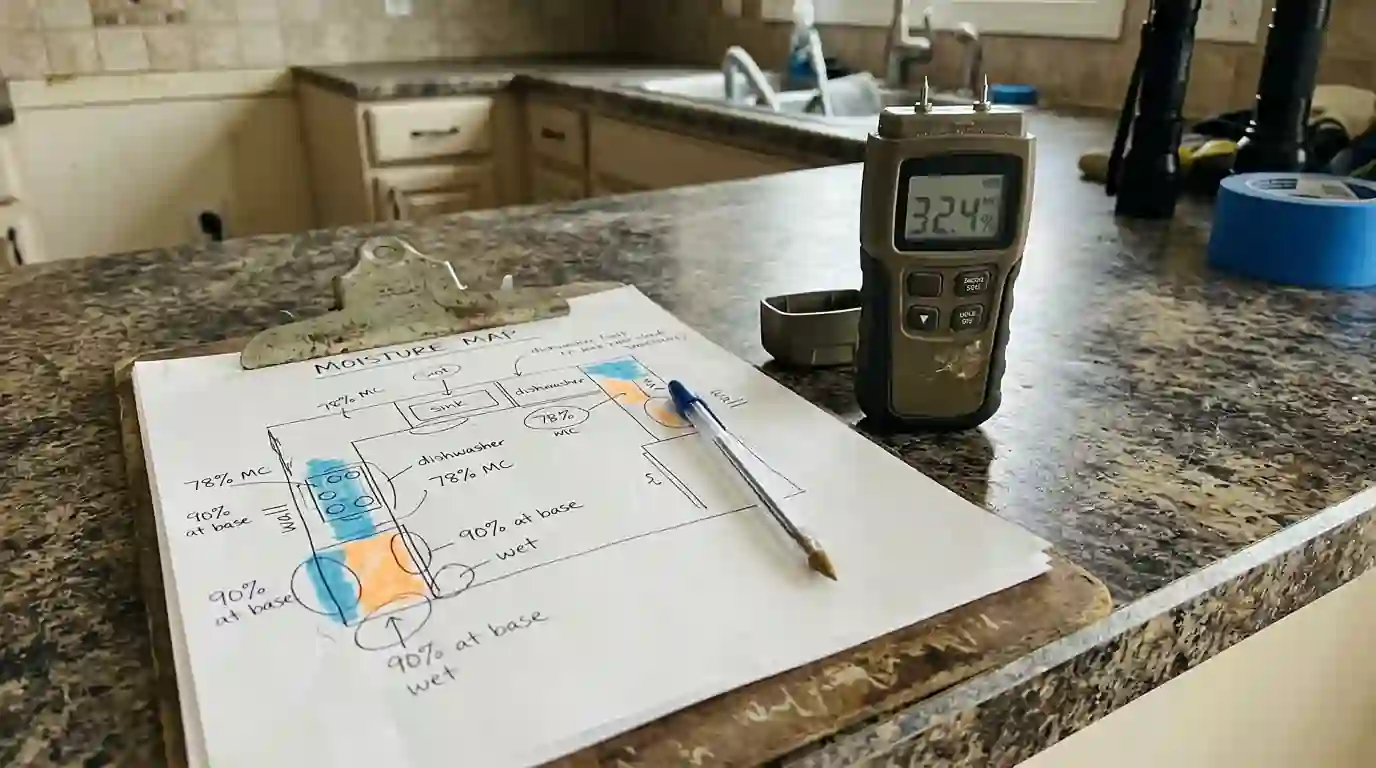
Need documentation for a claim? Our photos, readings and removal lists are built for adjusters.
Talk to us nowCommon scenarios and how they tend to go
Every policy is different, but these are the patterns people most often run into. Treat them as questions to ask your agent, not answers.
| What happened | Often |
|---|---|
| A pipe burst and flooded the kitchen | Water damage covered; resulting mold may be included |
| A slow drip under the sink for months | Commonly excluded as long-term leakage |
| Storm water came in through the basement door | Usually needs a separate flood policy |
| Sewage came up through the floor drain | Usually needs a sewer backup endorsement |
| Mold from condensation on windows | Commonly excluded as humidity or maintenance |
| Leak from the apartment above | May involve the neighbor, the building and your policy |
Limits and exclusions to look for
When you read your policy, look for these.
- A mold or fungus exclusion, or a dollar limit on mold removal
- Language about continuous or repeated leakage over time
- Exclusions for wear, maintenance or neglect
- Whether you have a sewer or drain backup endorsement
- Whether you carry separate flood coverage
- Deadlines for reporting a loss
Renters, co-op and condo owners
Renters policies generally cover your belongings, not the building. In co-ops and condos, the building's master policy usually covers the structure and common elements, while a unit-owner policy covers interior finishes and contents, with the split set by the building documents. When a leak comes from another unit, both policies and both owners may be involved.
What adjusters usually ask for
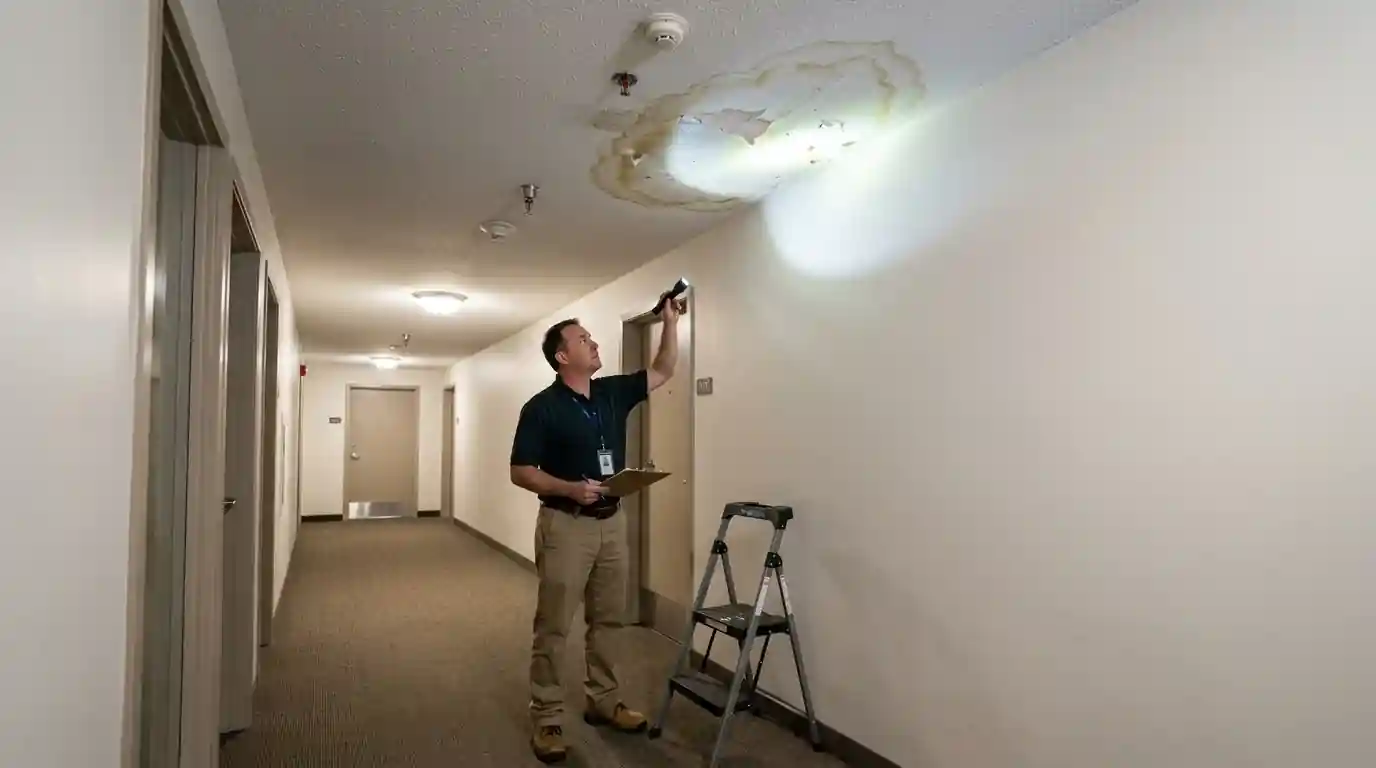
A complete file speeds up a claim. Gather as much of this as you can.
- Photos and video of the damage before cleanup
- The date the water started and how it was discovered
- The source of the water and whether it has been repaired
- Moisture readings and where they were taken
- A list of removed materials and damaged belongings
- Invoices for emergency work such as extraction and drying
Keeping costs claimable
Keep receipts for everything spent on the loss, from pumps and fans you rent to a hotel night if the home is unusable. Ask for itemized invoices that separate emergency extraction and drying from mold removal and rebuild, because policies often treat those parts differently.
Timing matters
Most policies require prompt notice of a loss and reasonable steps to prevent further damage. Delays can reduce what is covered, and mold that grows because a covered water loss was left wet may be treated differently from the original damage. Report early, document thoroughly, and start drying the same day.
How we help with a claim
We document every job the way adjusters expect: before and after photos, moisture readings with locations, the water source, a list of removed materials and a written description of the work. We do not negotiate claims or give coverage advice, but a clean file makes the conversation with your insurer much simpler.
Before you call your insurer
Stop the water if you safely can, take photos and video, write down the date and time, and keep damaged items until the adjuster has seen them or approved disposal. Then start drying. Most policies expect you to prevent further damage, and waiting on paperwork while materials stay wet can turn a covered water loss into mold that is not covered.