Quick answer
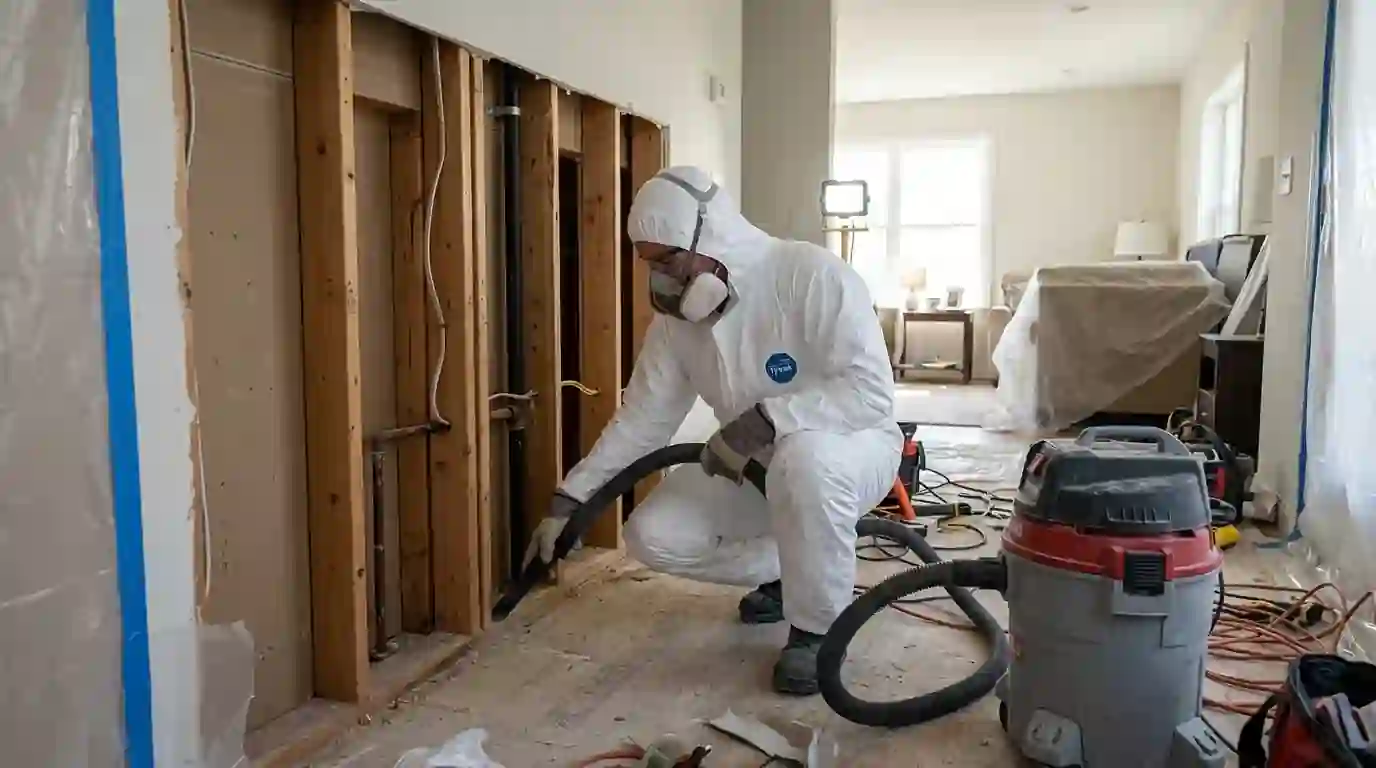
Contents mold cleaning in New York City means sorting belongings into what can be cleaned, what should be discarded and what needs a closer look, then HEPA vacuuming and cleaning the keepers outside the contaminated room. Hard, non-porous items almost always clean up; soft porous items that stayed wet and grew mold usually do not.
Updated September 2026
How we decide what can be saved
The rule is simple even when the decisions are hard. Hard surfaces such as metal, glass, sealed wood and plastic clean up well. Upholstered furniture, mattresses, carpets and cardboard that soaked up water and grew mold usually cannot be cleaned deep enough to trust. Clothing, shoes and bags sit in between, and most of them come back with the right cleaning if the growth is on the surface.
We sort inside containment so spores do not travel, clean the keepers with HEPA vacuums and damp wiping, and move them to a clean area or pack them out while the room is treated. Everything discarded is photographed and listed first, because your insurer will ask. The room itself gets cleaned through our remediation work.
Furniture and upholstery
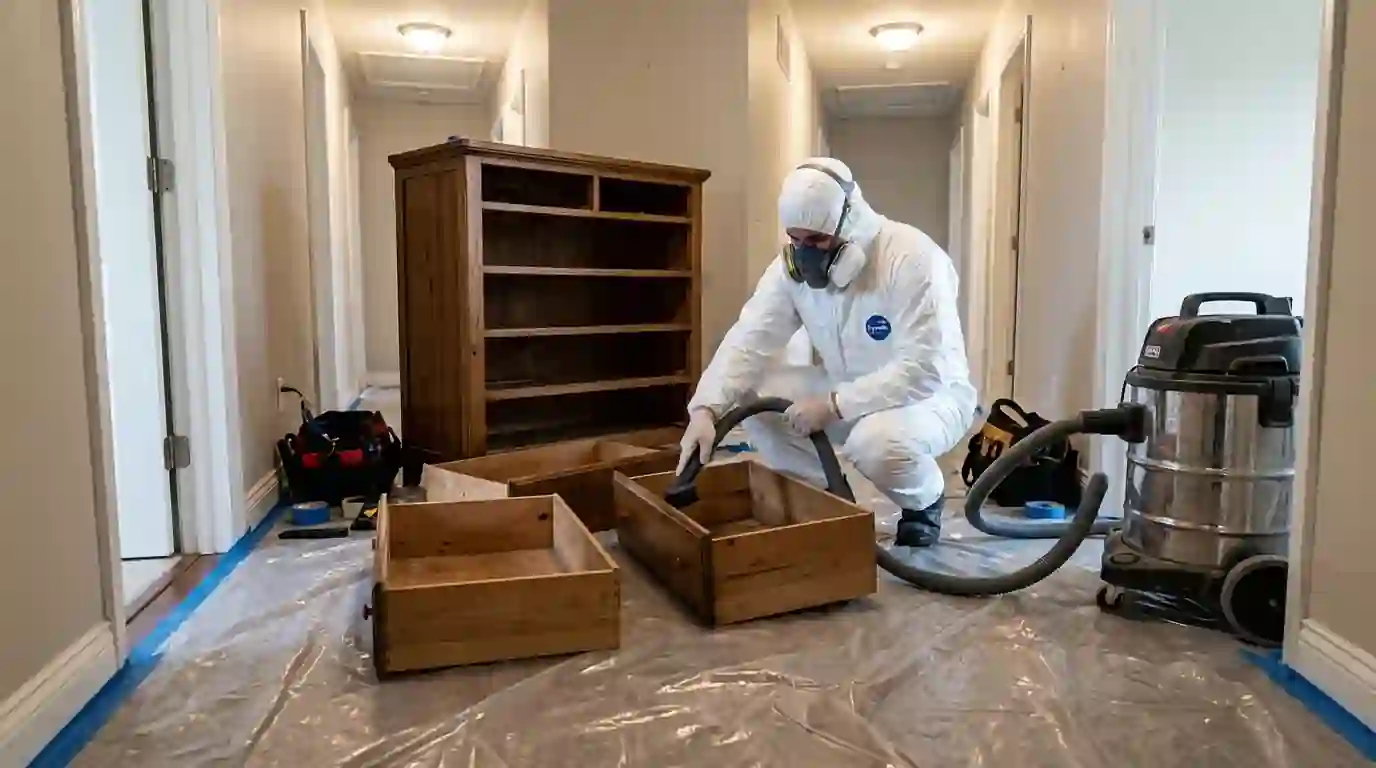
Solid wood, metal and laminate furniture usually cleans up with HEPA vacuuming and wiping, including the undersides and drawer boxes where growth hides. Upholstered sofas and chairs are judged by how wet they got: surface spots from a damp room can often be cleaned, while a sofa that sat in flood water has growth in the cushions and frame that no surface cleaning reaches. Mattresses and box springs that got wet are almost always discarded, and we explain why before anything goes.
Clothing, shoes and bags
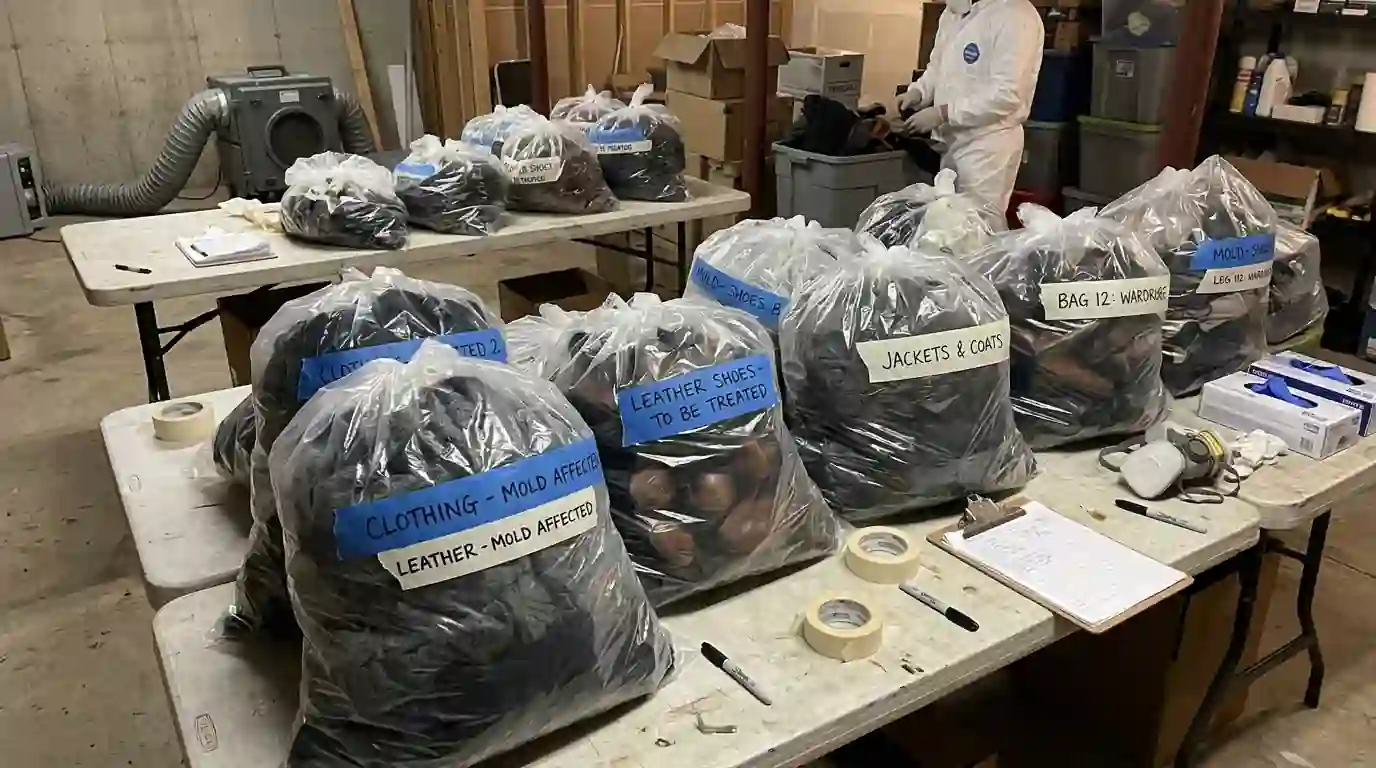
Mold on clothing is usually surface growth from a damp closet or a wet basement box. We brush and HEPA vacuum heavy growth off in containment, bag items by type, and send them for laundering or dry cleaning depending on the fabric. Leather shoes, bags and jackets need gentle cleaning and slow drying, because heat cracks the leather. Items with deep staining or a smell that survives cleaning are listed and discarded only with your agreement, after you have had a chance to look.
Documents and photos
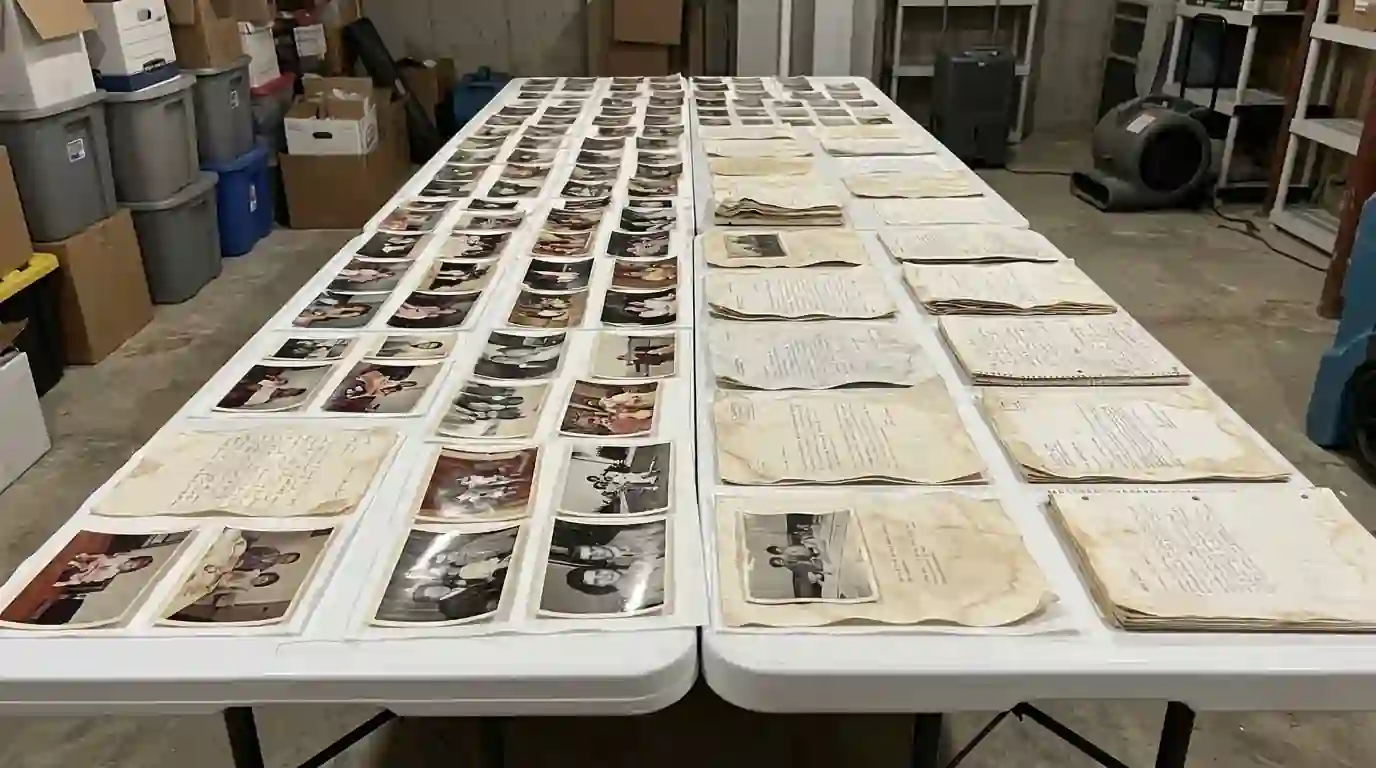
Papers and photographs are the hardest to replace and the easiest to lose, because paper feeds mold fast. We separate them first, keep wet documents cool and flat to stop further damage, and set aside the ones that matter most for drying or professional document recovery. Important papers are photographed or scanned before any treatment. Loose paper and cardboard boxes that grew mold are usually discarded once anything irreplaceable, such as deeds, letters or photos, has been pulled out of them.
What contents cleaning costs
We did not find a sourced national range for contents mold cleaning on its own. It is priced by the volume of belongings and how they have to be cleaned.
Volume of items
A closet or a whole basement of storage.
Cleaning method
Wiping, HEPA vacuuming, laundering or dry cleaning.
Documents
Drying or recovery for important papers.
Pack-out
Moving items out while the room is treated.
Disposal
Hauling what cannot be saved.
What a contents job includes
- An item-by-item sort: clean, keep or discard
- Photos of every discarded item before it leaves
- An itemized list for the insurance claim
- HEPA vacuuming and damp wiping of hard items
- Surface cleaning of upholstered pieces worth saving
- Bagging of clothing and textiles for laundering or dry cleaning
- Separation of papers and photos for drying or scanning
- Clean storage or return once the room is cleared
New York conditions
What storms leave behind in city homes
Sandy pushed a 14-foot surge onto Staten Island in October 2012, and in Midland Beach, South Beach and New Dorp soaked insulation and belongings were pulled out of flooded basements and piled at the curb for weeks. Ida left nearly 9 inches of rain on Staten Island in 2021. After storms like that, what can be saved depends on how fast wet belongings are sorted, dried and cleaned, and the first few days matter most for anything soft or made of paper.
How a contents job runs
Sort first, then clean, then return.
We set up a sorting area
Inside containment, with a clean area outside it.
We sort with you
Clean, keep or discard, item by item.
We document discards
Photos and a list before anything leaves.
We clean the keepers
HEPA vacuuming, wiping and bagging for laundering.
We protect papers
Separated, kept cool and flat, and scanned where needed.
We return or store
Back into the cleaned room, or packed out until it is ready.
Call (332) 234-9326A person answers, day or night.
How long contents cleaning takes
Sorting happens on the first visit and moves quickly once you know the rules. Cleaning hard items is quick; laundering, dry cleaning and document drying take longer and happen off site. We give you a timeline once we know how many items are going where.
Questions about contents mold cleaning
Most can, if the growth is on the surface. Laundering or dry cleaning after brushing usually works.
If it got wet and grew mold, yes. The growth is inside where cleaning cannot reach.
Usually. Solid and sealed wood cleans up with HEPA vacuuming and wiping.
Important ones are separated and dried or recovered; loose moldy paper is usually discarded.
That depends on your policy. We give you photos and a list for the claim.
We can pack items out to a clean area while the room is treated.
Related jobs we handle
Musty Odor Removal
Finding what smells, removing it, then treating the air that is left.
HVAC and Duct Mold Removal
Through-wall units, coils and ducts cleaned so they stop spreading spores.
Mold Damage Repair
Walls, trim and floors put back after the mold is gone.
Mold Prevention and Encapsulation
Coatings, venting fixes and follow-up checks that keep it from returning.
Belongings with mold on them?
Call now. We answer 24/7 and help you save what can be saved.
Answered 24 hours a day, 7 days a week