Quick answer
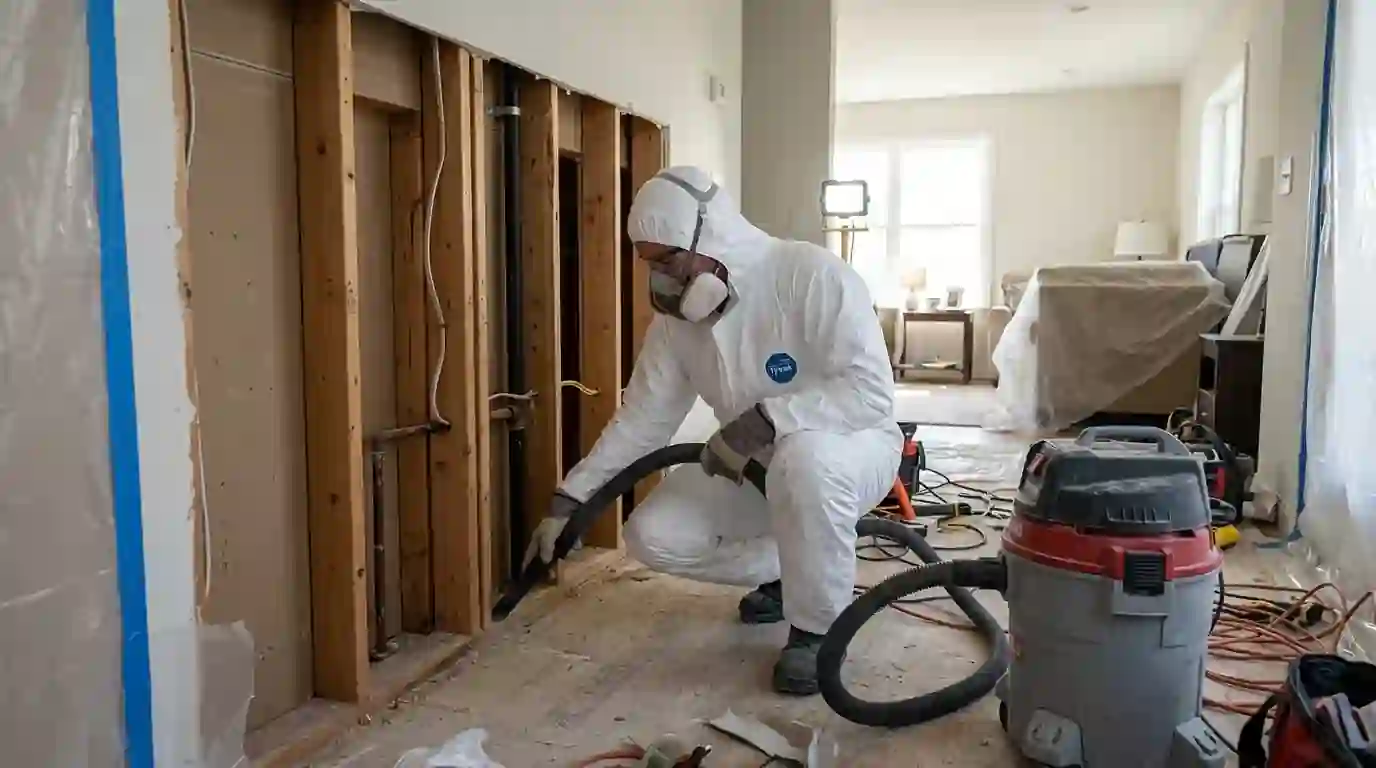
Mold prevention in New York City combines three things: an antimicrobial and encapsulant coating on cleaned, dry wood and sheathing, fixes to the ventilation or moisture source that caused the growth, and a moisture check some weeks later. A coating over active mold or wet wood does not work; it goes on only after removal and drying.
Updated September 2026
What prevention can and cannot do
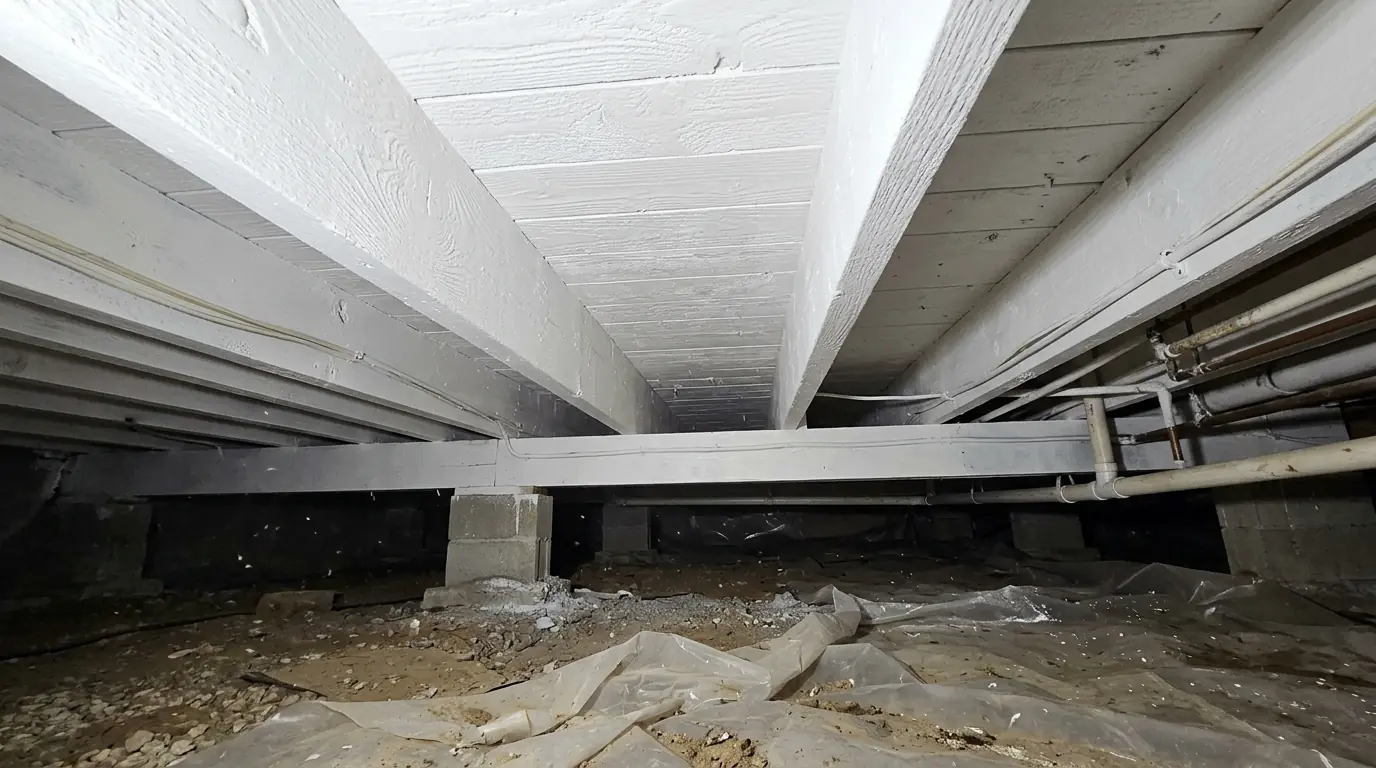
An encapsulant is a coating that seals the surface of cleaned wood or sheathing, and many include an antimicrobial agent. Applied to framing after remediation, it locks down any staining left in the grain and makes the surface less hospitable to new growth. It does not make wood waterproof, and it does not stop mold if the water keeps coming.
That is why prevention here always includes the moisture side: fans that actually exhaust outside, a dehumidifier in damp basements, sealed air leaks into attics, and a return visit to read the materials again once a season has passed.
What a prevention visit includes
- Moisture readings to confirm the surfaces are dry
- A final HEPA vacuum of framing or sheathing
- Antimicrobial treatment of the cleaned surfaces
- Encapsulant coating sprayed or rolled on
- A check of bath and kitchen exhaust and dryer vents
- Air-leak sealing where attic moisture comes from below
- Humidity targets agreed for basements and closets
- A return visit to recheck readings
Antimicrobial and encapsulant coatings
After framing, joists or sheathing are cleaned and read dry, we apply an antimicrobial treatment and then an encapsulant coating by spray or roller. The coating seals leftover staining that cleaning cannot fully lift and gives a uniform surface that shows new moisture clearly if it ever returns. We use it on attic sheathing, crawl space joists, basement framing and new construction lumber. We never apply it over active growth or wet wood, because it would seal the problem in.
Ventilation fixes
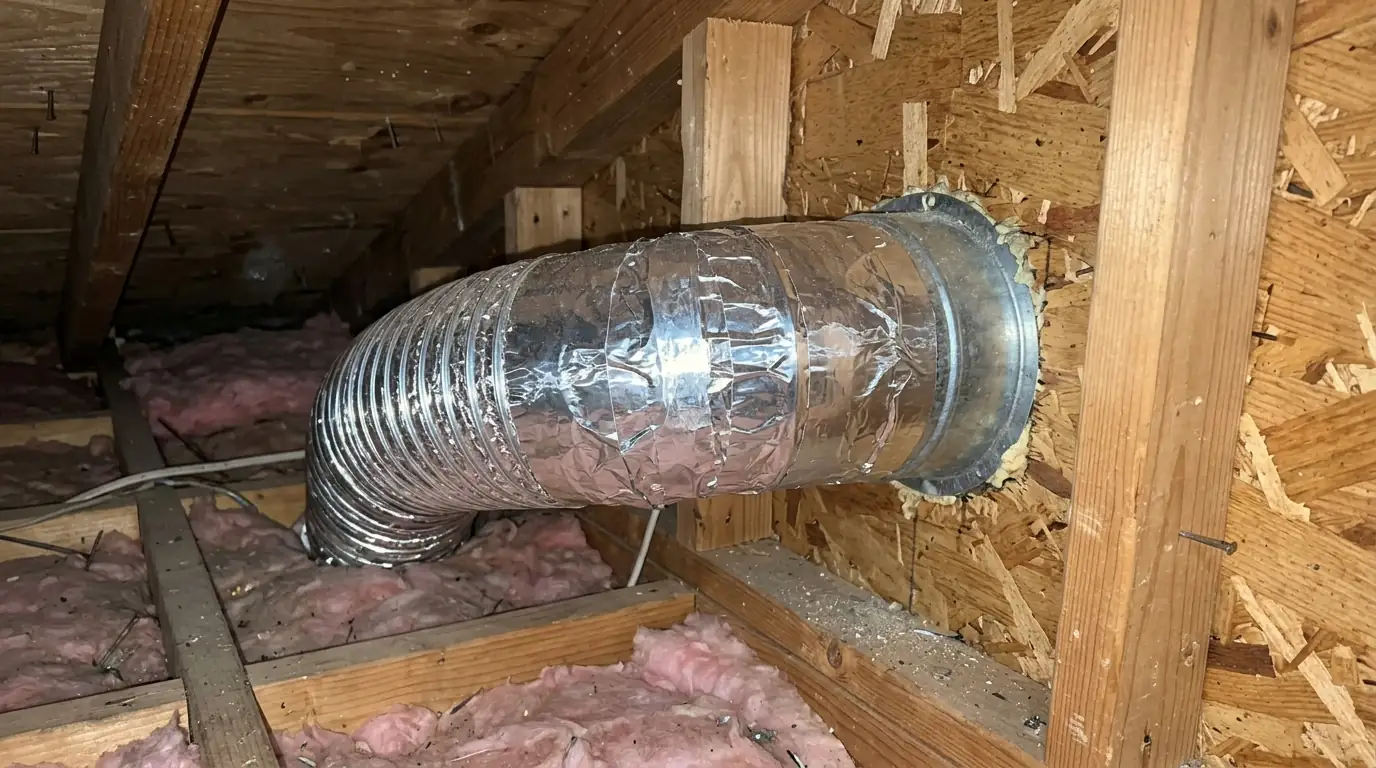
Most mold starts because moist air has nowhere to go. We check that bath fans move air and vent outside rather than into a wall or attic, that kitchen range hoods are ducted rather than recirculating where possible, and that dryer vents are connected. In attics we seal the gaps around light fixtures and the hatch that let warm, humid air rise. These are small jobs, but they are what keep a cleaned space from growing again, long after the coating is dry.
Moisture checks after the job
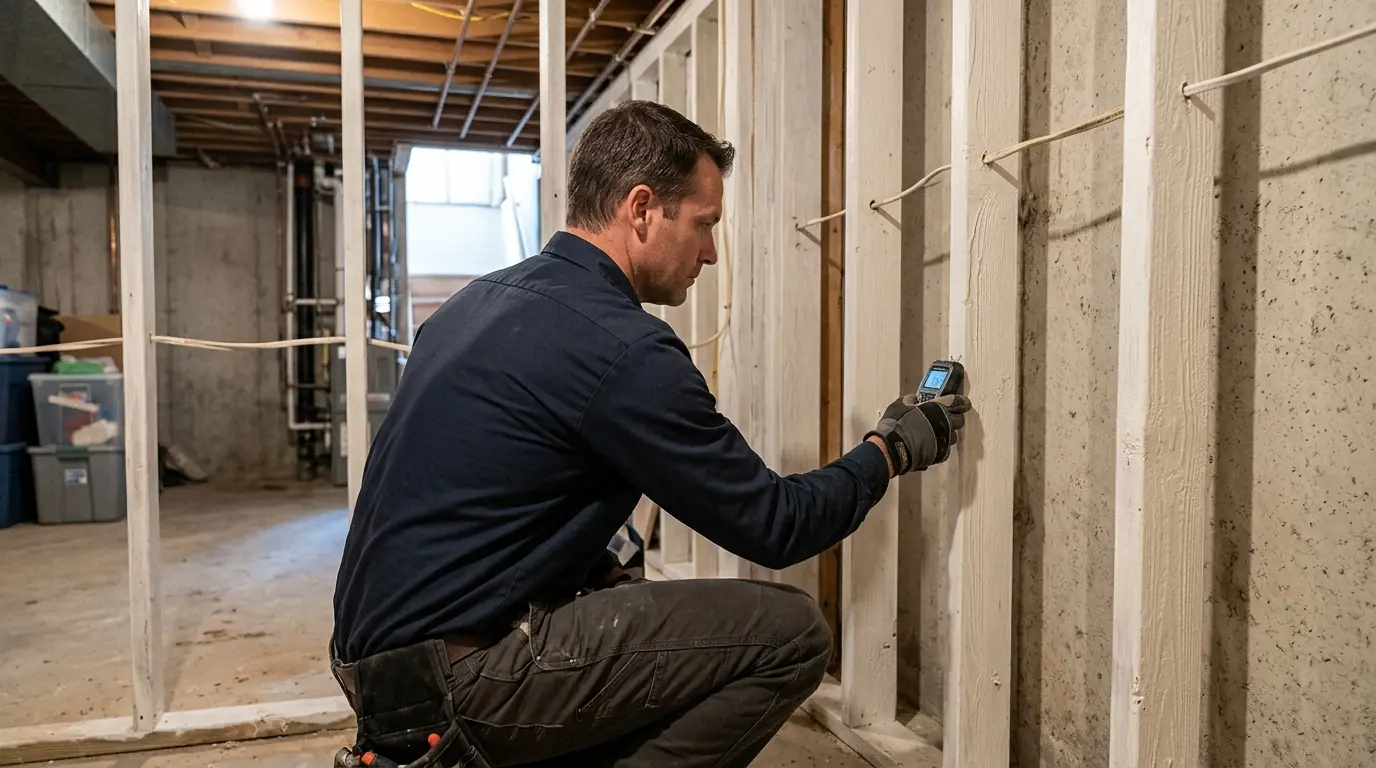
The clearest proof that prevention worked is a dry reading months later. We come back after the next heavy season, winter for attics and window walls, summer for basements, and read the same points we measured at the end of the job. If a spot reads wet, we find out why while it is still a small problem. You get the readings in writing for your records, which also helps when you sell, refinance or answer questions from a buyer inspector.
New York conditions
What the city requires after mold is removed
HPD safe work practices for mold include correcting the underlying moisture, limiting dust spread, HEPA vacuuming at the point of work, cleaning with soap or detergent and water, and a final wet cleaning or HEPA vacuuming. Owners of buildings under 10 units can do small jobs themselves but must follow those same practices. In New York City, prevention starts with the first item on that list, fixing the moisture, and coatings come after the cleaning, not instead of it.
How a prevention visit runs
After removal and drying, never before.
We confirm dry readings
Every surface to be coated reads dry.
We do a final clean
HEPA vacuuming of framing or sheathing.
We treat and coat
Antimicrobial, then encapsulant by spray or roller.
We fix the airflow
Fans, hoods, dryer vents and attic air leaks.
We set humidity targets
For basements, crawl spaces and closets.
We come back to check
Readings after the next heavy season.
Call (332) 234-9326A person answers, day or night.
What prevention work costs
We did not find a sourced national range for encapsulation or prevention work on its own. It is usually priced as part of a remediation, which runs $1,223 to $3,757 nationally for a typical project.
Area coated
An attic deck, a crawl space or a basement.
Access
Tight spaces take longer to coat.
Ventilation work
Fan or duct fixes and air sealing.
Dehumidifier
Added where a space stays damp.
Follow-up visits
Moisture checks after the season.
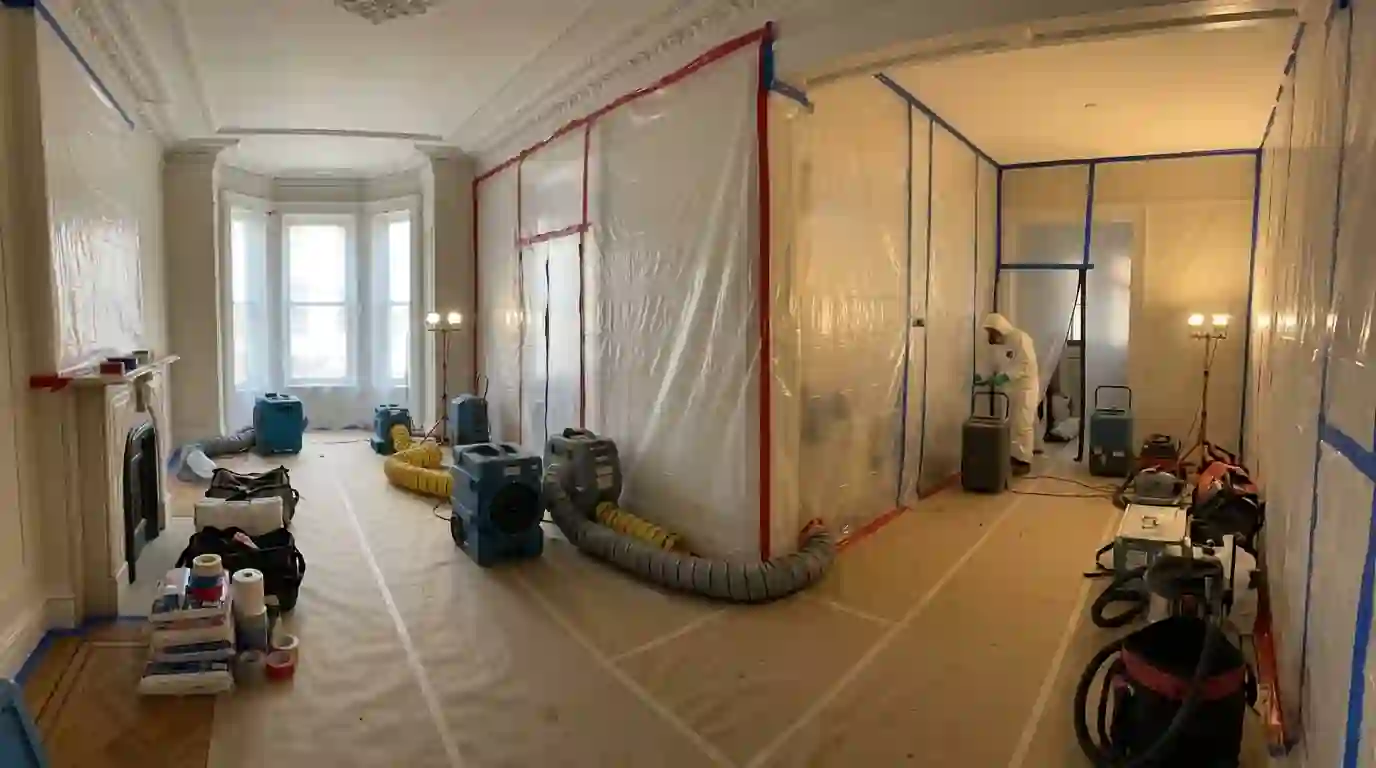
Coatings go on after removal and drying, never as a shortcut over growth.
Talk to us nowQuestions about mold prevention and encapsulation
No. The growth has to be removed and the wood dried first.
No. It seals the surface; the water still has to be controlled.
We use products made for occupied buildings and ventilate during application.
Not always. It matters most in attics, crawl spaces and basements.
It stays in place for the life of the framing if the space stays dry.
To confirm the readings stay dry through a full season.
Related jobs we handle
Contents Mold Cleaning
Furniture, clothing and papers sorted into clean, keep and discard.
Musty Odor Removal
Finding what smells, removing it, then treating the air that is left.
HVAC and Duct Mold Removal
Through-wall units, coils and ducts cleaned so they stop spreading spores.
Mold Damage Repair
Walls, trim and floors put back after the mold is gone.
Want the mold to stay gone this time?
Call now. We answer 24/7 and set up prevention after the removal.
Answered 24 hours a day, 7 days a week