Quick answer
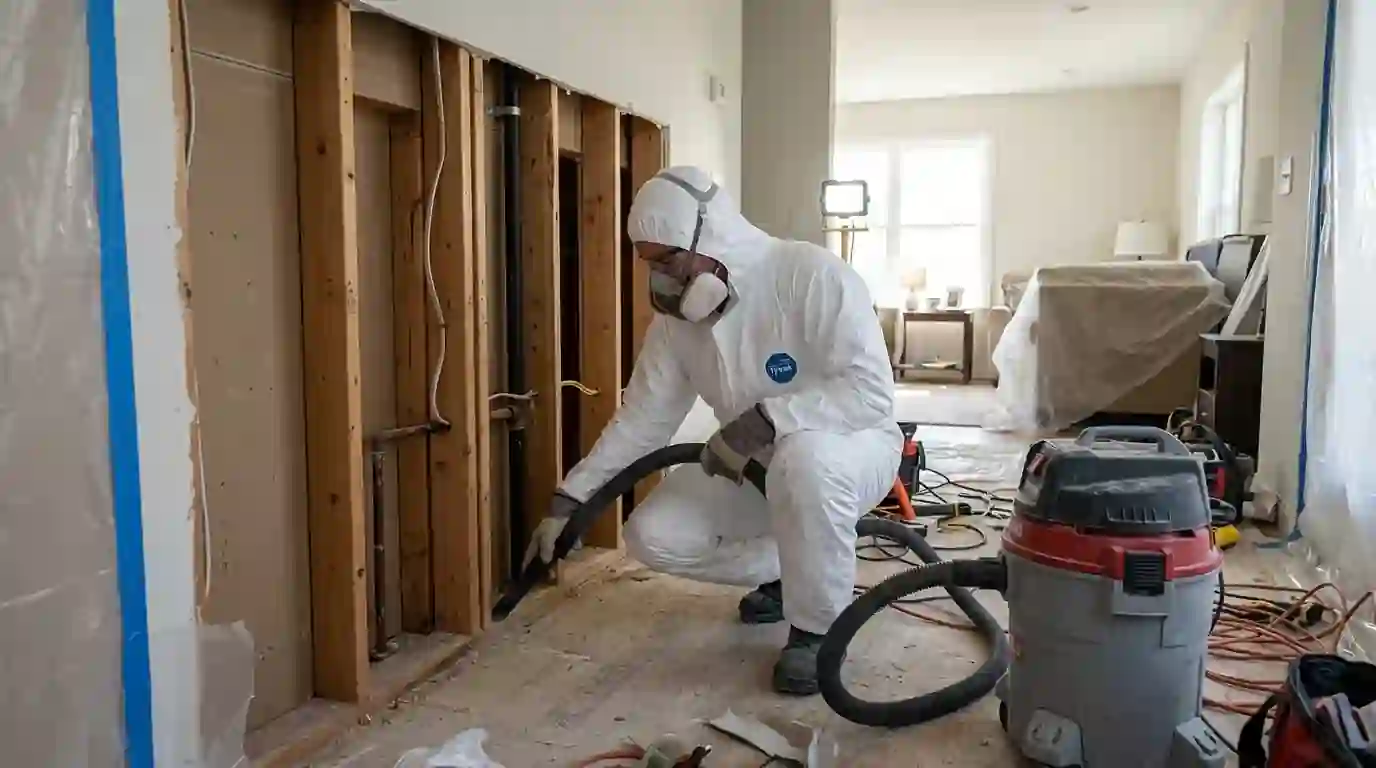
HVAC mold in New York City usually grows on cooling coils, drain pans and the insulation inside units and ducts, where condensation sits every time the system cools. National guides put HVAC system mold removal at $3,000 to $10,000 and air duct mold removal at $600 to $2,000; a single through-wall unit is a far smaller job.
Updated September 2026
Why air systems grow mold
Every air conditioner makes water. As warm air crosses the cold coil, moisture condenses, drips into a drain pan and is supposed to leave through a drain line. When the pan is dirty, cracked or tilted, or the line is clogged, water sits. Dust on the coil and lint in the pan feed growth, and the blower sends spores and smell into the room every time it runs.
We open the unit or air handler, clean the coil and pan, clear the drain, and remove insulation inside the cabinet that has grown mold. Ducts are inspected and cleaned where growth has spread into them. When the smell is gone from the vents but not the room, we look further with our odor work.
Through-wall and PTAC units
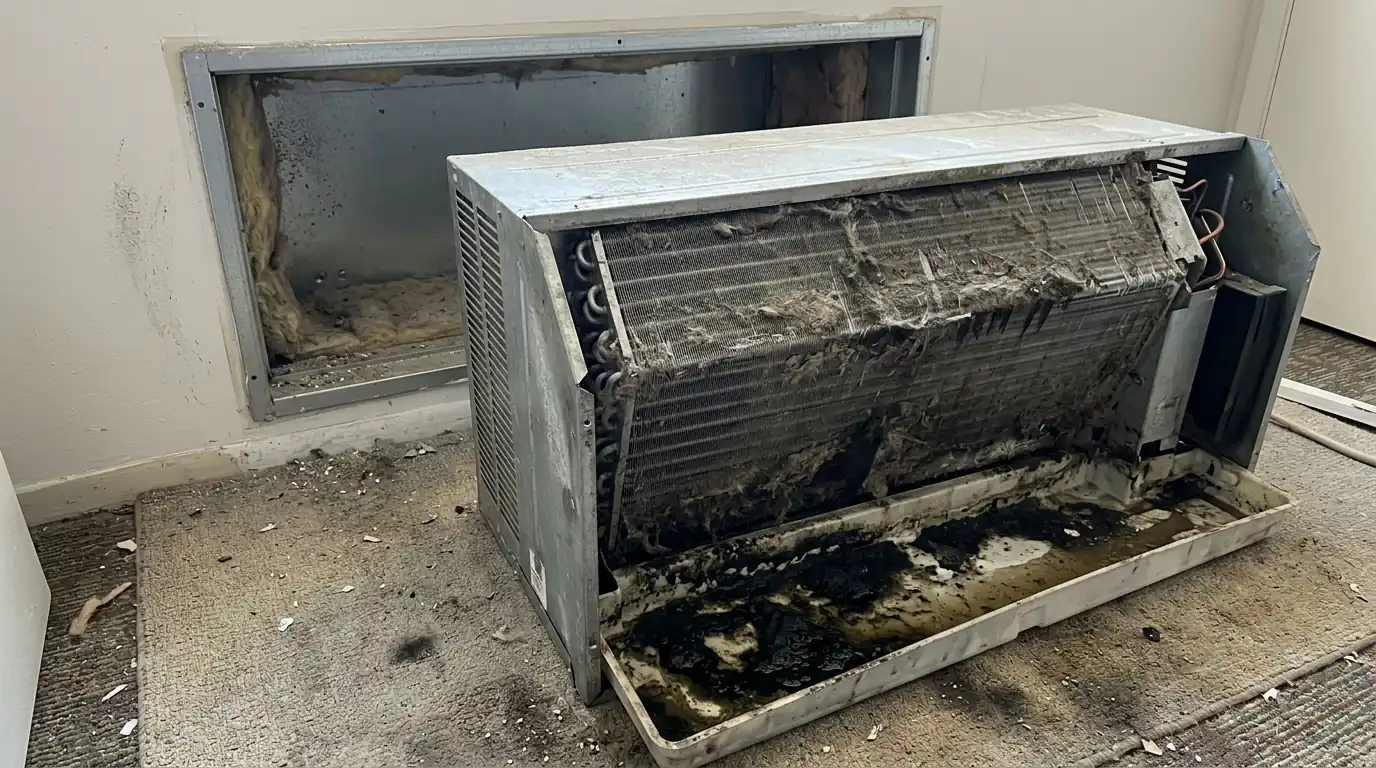
Through-wall air conditioners and PTAC units are everywhere in city apartments and hotels, and they grow mold in the same places: the coil, the drain pan and the foam insulation inside the chassis. We pull the unit from its sleeve, clean the coil and pan, clear the drain holes, replace moldy insulation and check the wall sleeve for water getting in from outside. A unit that has rusted through or has growth deep in the fins is sometimes better replaced than cleaned, and we tell you which.
Air handlers and coils
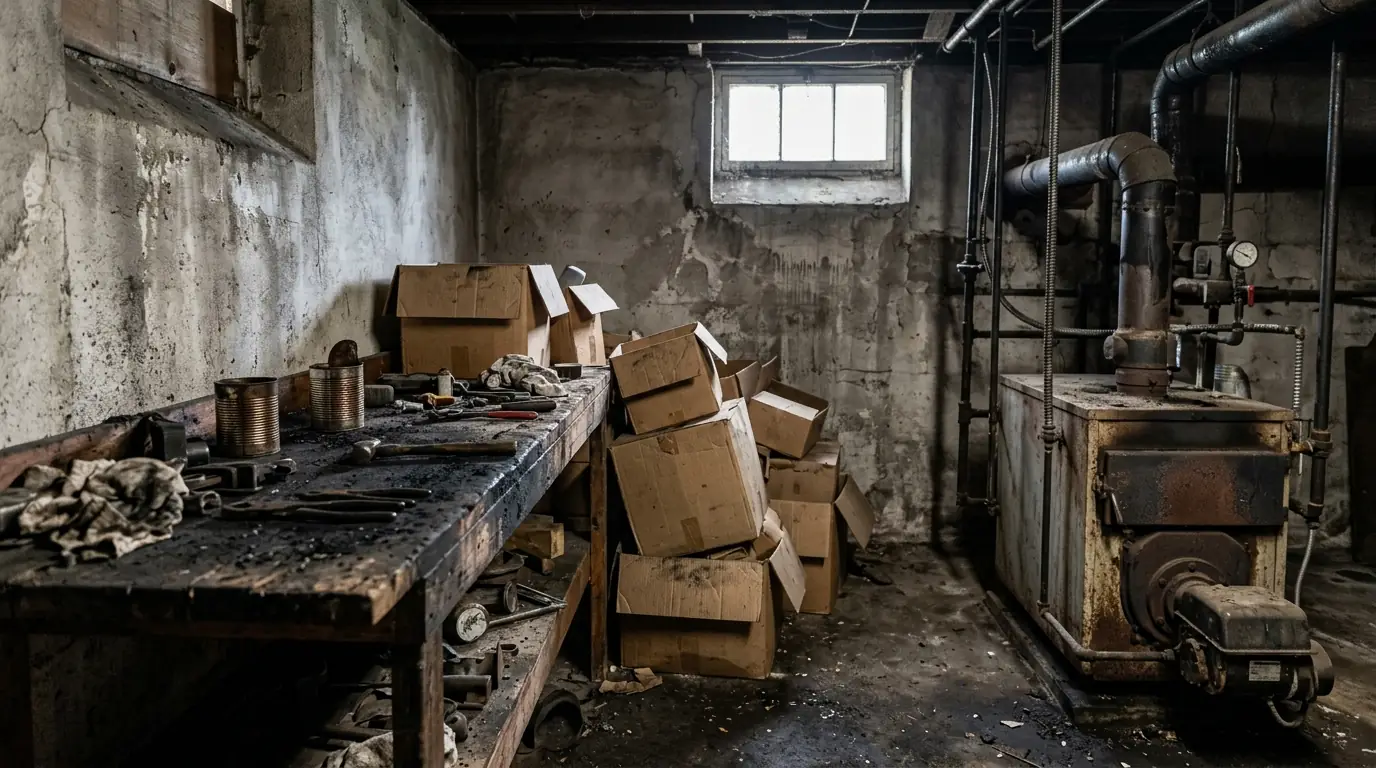
In houses and larger apartments with central air, the air handler sits in a closet, attic or basement with the coil and drain pan inside. A clogged condensate line can fill the pan and spill over, wetting the insulation and the stand below. We clean the coil and pan, clear and test the drain line, add or check a safety float switch, and remove wet insulation. If the overflow has soaked the closet or ceiling below, that area is dried and cleaned as well.
Sheet metal and flex duct
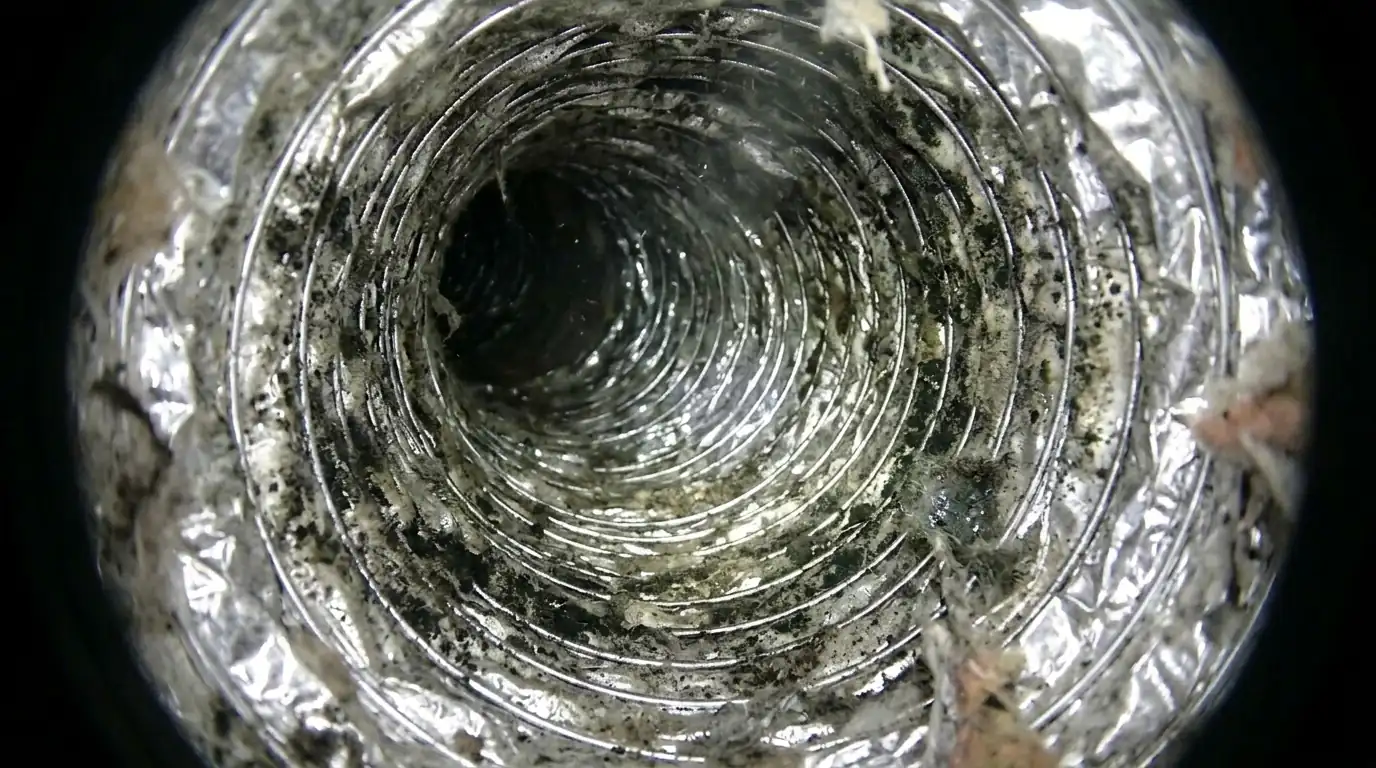
Sheet metal duct can be cleaned: we HEPA vacuum the runs and clean the growth from the metal. Flexible duct and duct board are different, because the inner liner and insulation hold spores and cannot be reliably cleaned, so sections with growth are replaced. We look inside with a camera before recommending anything, and we only clean the runs that need it, not the whole system by default. Registers and grilles come off and are cleaned at the same time, and we show you the before and after camera images so you can see what was inside.
What HVAC mold removal costs
National guides put HVAC system mold removal at $3,000 to $10,000, air duct mold removal at $600 to $2,000, and vent mold removal where ducts are not affected at $100 to $500.
Type of system
A single PTAC or a ducted central system.
Duct length
How many runs need cleaning or replacing.
Flex duct replacement
Lined and flexible duct is replaced, not cleaned.
Access
Units in attics or tight closets take longer.
Parts
Drain pans, insulation or float switches.
What an HVAC mold job includes
- A look inside the unit or air handler with the panels off
- Coil cleaning with a coil cleaner and careful rinsing
- Drain pan cleaning, and replacement if cracked or rusted
- Drain line cleared and tested
- Moldy cabinet insulation removed and replaced
- Blower wheel cleaned where it carries growth
- Duct inspection and HEPA cleaning where needed
- A final run to confirm drainage and airflow
New York conditions
Why small city apartments feel it most
Half of all housing units in Manhattan are studios or one-bedrooms, and in a unit that size a single through-wall air conditioner or PTAC often cools the whole home. When its drain pan or coil grows mold, every room gets the smell, and there is no second system to switch to while it is fixed. In New York City apartments we clean these units in place or pull them from the sleeve, and plan the work so you are not left without cooling longer than necessary.
How an HVAC mold job runs
Open it, clean it, make sure it drains.
We inspect with panels off
Coil, pan, drain, blower and cabinet insulation.
We protect the room
Covers around the unit and HEPA vacuums running.
We clean the coil and pan
Coil cleaner, rinse and a pan scrub or replacement.
We clear the drain
Line flushed and tested with water.
We deal with the ducts
Camera inspection, then cleaning or replacement where needed.
We run it and check
Drainage, airflow and smell confirmed.
Call (332) 234-9326A person answers, day or night.
Through-wall, PTAC and ducted systems we clean
- Friedrich
- GE Zoneline
- Amana
- Islandaire
- Carrier
- Trane
- Lennox
- Mitsubishi Electric
- Daikin
- LG
- Fujitsu
- Aprilaire
- Santa Fe
- AlorAir
We open and clean through-wall and PTAC units from Friedrich, GE Zoneline, Amana and Islandaire, and air handlers and coils on Carrier, Trane, Lennox, Mitsubishi Electric and Daikin systems.
Questions about hvac and duct mold removal
Usually a dirty coil or a drain pan holding water. Cleaning both and clearing the drain fixes most cases.
You can clean the filter and wipe what you can reach. Growth in the coil and chassis needs the unit opened.
No. We inspect first and clean only the runs with growth.
Not reliably. Sections with growth are replaced.
If it is rusted through or growth is deep in the coil, often yes; we tell you honestly.
Change filters on schedule and have the drain line cleared before each summer.
Related jobs we handle
Mold Damage Repair
Walls, trim and floors put back after the mold is gone.
Musty Odor Removal
Finding what smells, removing it, then treating the air that is left.
Contents Mold Cleaning
Furniture, clothing and papers sorted into clean, keep and discard.
Mold Prevention and Encapsulation
Coatings, venting fixes and follow-up checks that keep it from returning.
Musty air every time the AC runs?
Call now. We answer 24/7 and clean the system, not just the vents.
Answered 24 hours a day, 7 days a week