Quick answer
Musty odor removal in New York City starts with finding the damp material or hidden growth that produces the smell, because the odor comes from compounds mold releases as it grows. Once the source is removed and the area dried, hydroxyl or ozone treatment clears the smell that is left in the air and in soft furnishings.
Updated September 2026
Why the smell keeps coming back
A musty smell is produced by mold and bacteria growing on something damp. Cleaning the room, running a purifier or spraying a deodorizer changes the air for a while, but the source keeps producing more. The usual sources are a carpet pad that got wet, a closet on a cold outside wall, the back of a cabinet under a sink, the drain pan of an air conditioner, or a basement that stays damp all summer.
We follow the smell with meters and a look behind and under things, remove the source through the right job, from a moldy carpet pad to a damp wall, and dry the area. Only then does odor treatment make sense, because it clears what is left rather than fighting a source that keeps producing.
Hydroxyl or ozone treatment
| Option | How it works | Occupied space | Right for |
|---|---|---|---|
| Hydroxyl generator | Creates hydroxyl radicals that break down odor compounds | Can run with people and pets present | Homes where you need to stay in the space |
| Ozone generator | High ozone levels oxidize odor compounds quickly | No: the space must be empty and aired out after | Empty basements, storage rooms and vacant units |
| Source removal only | Damp material removed and the area dried | Yes | Light smells once the source is gone |
Removing the source first
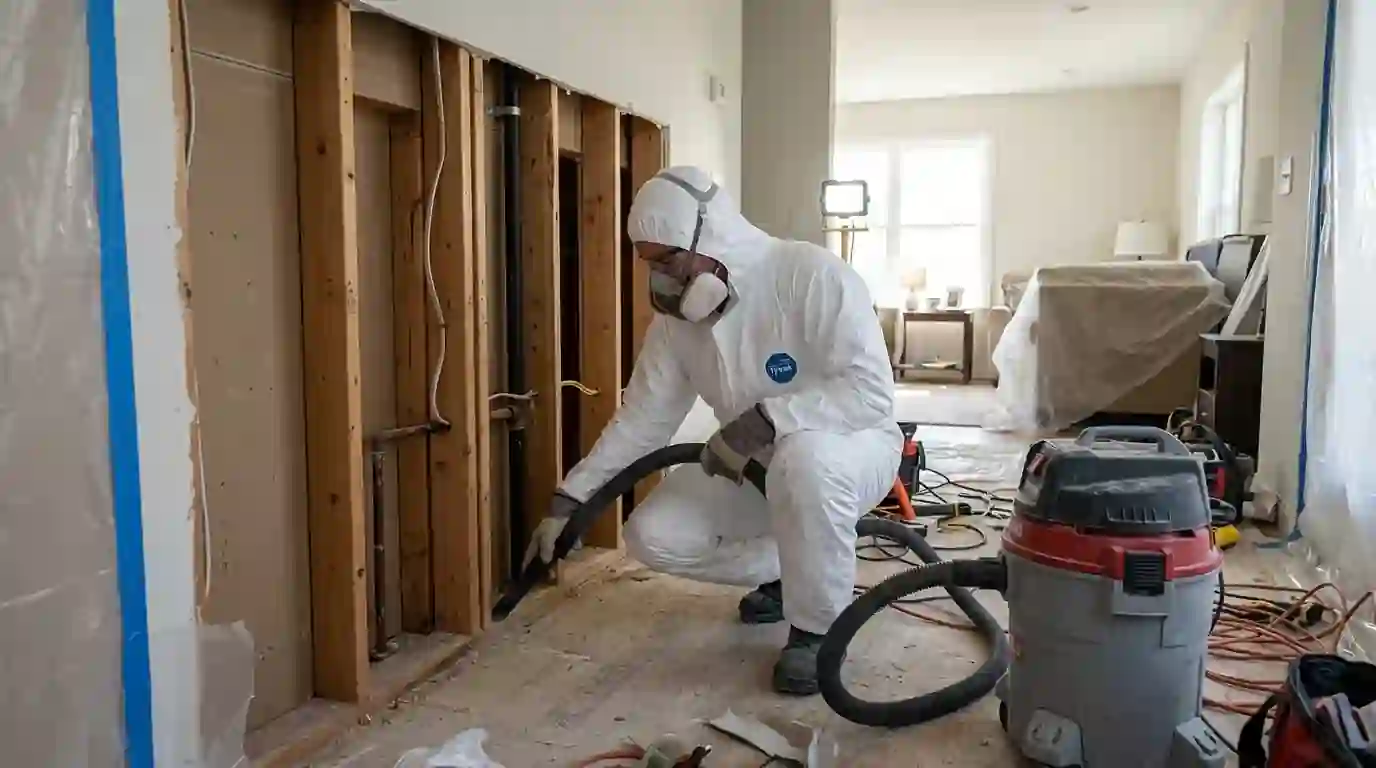
Every odor job starts by finding the source. We walk the space with a moisture meter, check behind furniture on outside walls, under sinks, in closets and inside air conditioners, and look at the basement. When the smell is strongest in one place, we open or pull back what is there: a baseboard, a carpet corner, a cabinet floor. The source is then removed or cleaned through the right service, and the area dried to readings, before any odor treatment starts.
Hydroxyl and ozone treatment
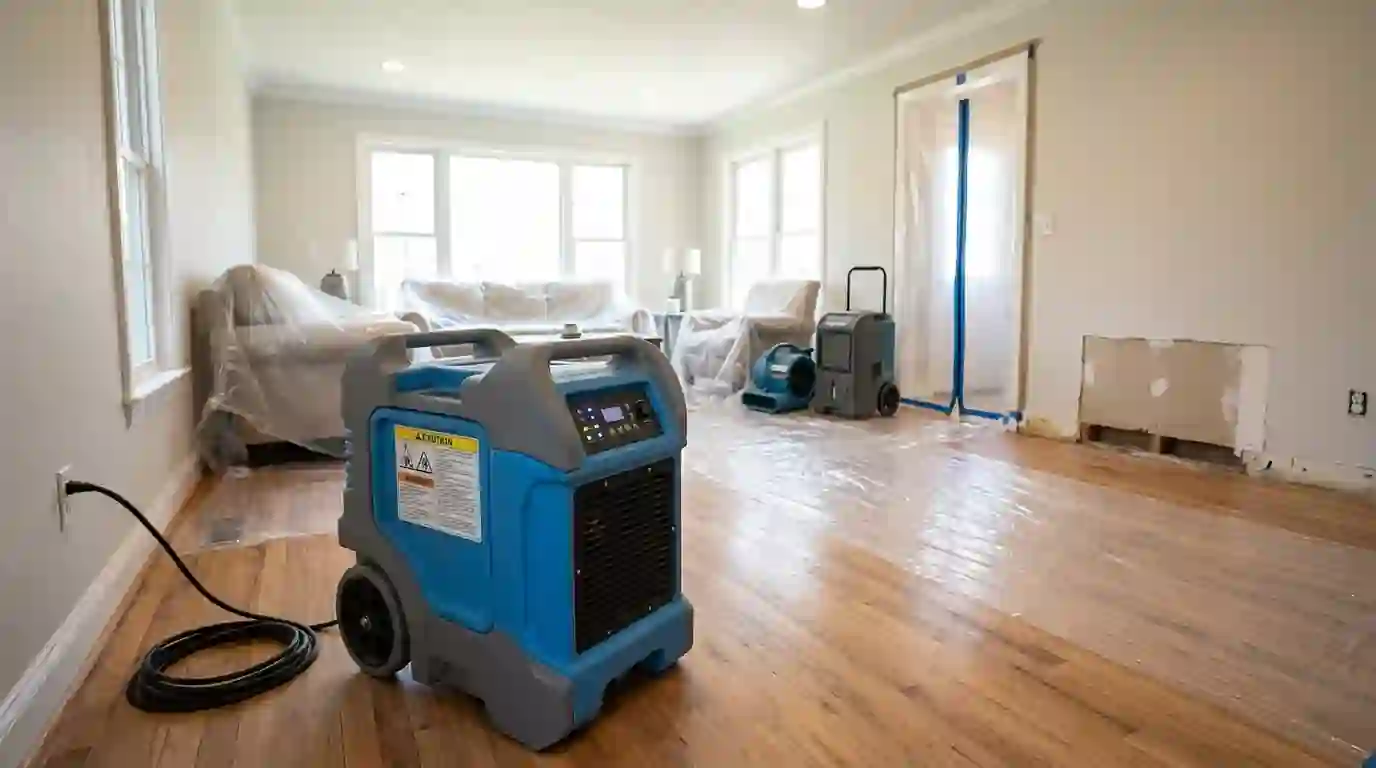
Once the source is gone, some smell stays in the air, fabrics, carpet and drywall. A hydroxyl generator can run with people at home and works over a few days. Ozone works faster but is only used in empty spaces, because the levels that work on odor are not safe to breathe; the space is aired out afterward before anyone goes back in. Neither one removes mold or dries anything, which is why neither one comes first in our order of work.
Closets, stairwells and cellars
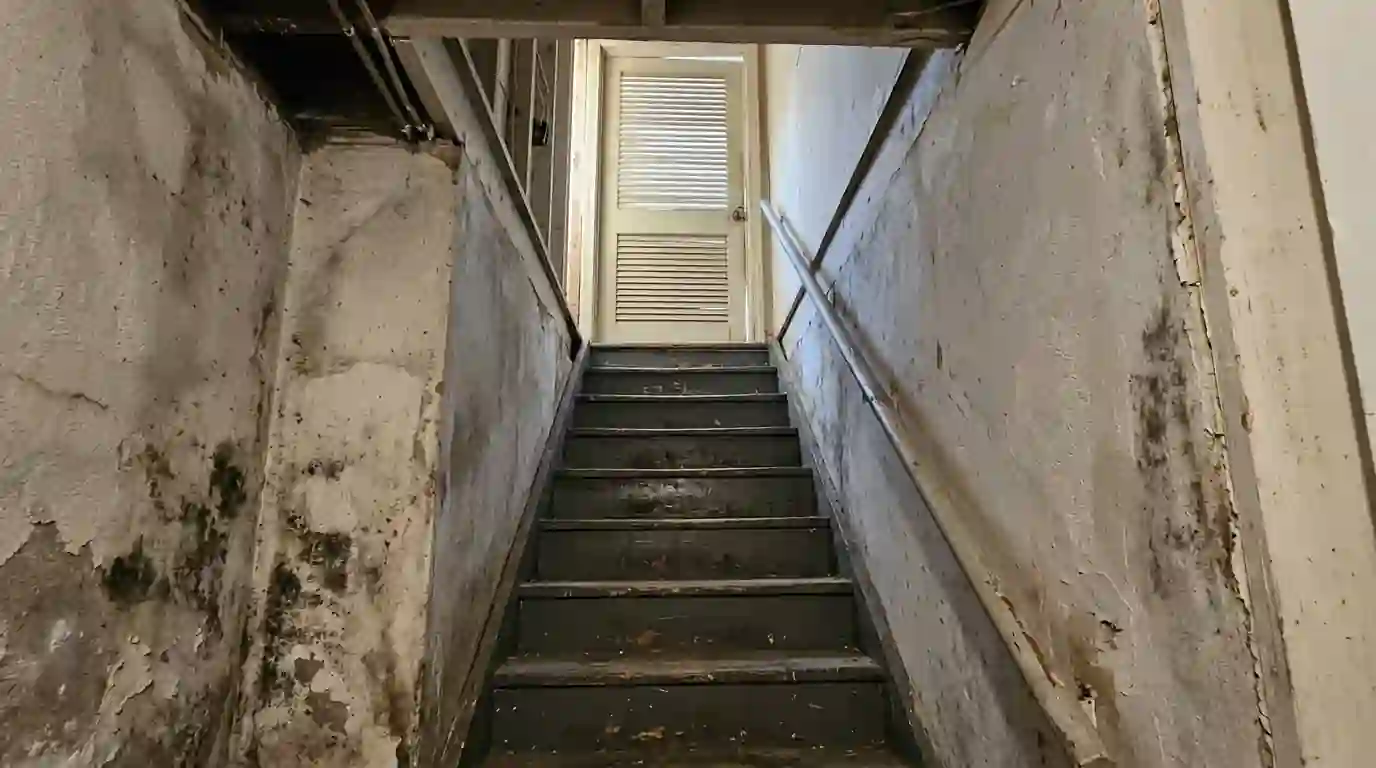
Some spaces smell musty because air never moves through them. Closed closets on outside walls, stairwells to basements and old cellars hold cool, damp air that mold likes. After cleaning any growth, the fix is often small: leaving closet doors ajar, adding a louvered door, running a dehumidifier in the cellar, or sealing gaps that let basement air rise into the stairwell. We point out which of these fits the space and do the ones you want while we are there.
What odor removal costs
We did not find a sourced national range for odor removal on its own, because it depends on what the source turns out to be. For context, a typical mold remediation runs $1,223 to $3,757 nationally.
Finding the source
Readings and small openings to locate it.
Removing it
Pad, board or contents that have to come out.
Drying
How long the area takes to read dry.
Treatment type
Hydroxyl over several days, or ozone in an empty space.
Size of the space
One closet or a whole basement.
Where musty smells usually come from
Carpet and pad
Pads that got wet and dried slowly hold odor for years.
Closets on outside walls
Cold, still air and packed clothes make a damp pocket.
Under sinks
Slow drips soak cabinet floors and the wall behind them.
Air conditioners
Wet coils and drain pans blow the smell into the room.
Basements and cellars
Cool, damp spaces send air up through the house.
Floor drains
A dry trap lets sewer smell in, which gets mistaken for mold.
New York conditions
Why city basements hold on to smells
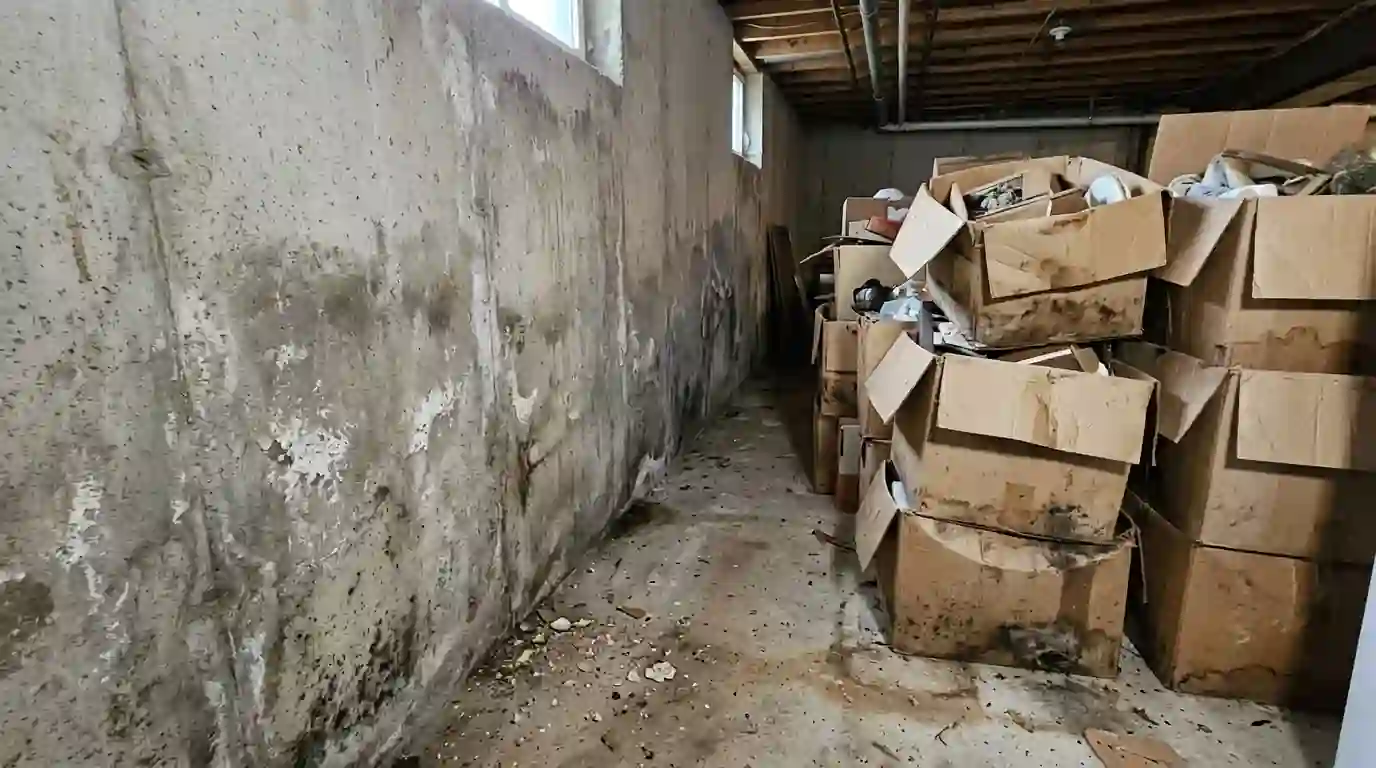
About 60 percent of New York City runs on combined sewers, so basements with floor drains and no backwater valve can take on sewer water in a hard rain. During Ida, basement homes in Queens neighborhoods including Woodside, Flushing, Hollis and Jamaica flooded overnight. A basement that has taken water even once often keeps a musty or sewer smell for months, because the water reached the bottom of the walls, the carpet pad and the stored boxes that were never fully dried.
How an odor job runs
Find it, remove it, then treat the air.
We follow the smell
Meters and a look behind and under things.
We confirm the source
A small opening or pulled-back carpet where readings point.
We remove it
Moldy pad, board or contents taken out and the area cleaned.
We dry the area
Dehumidifiers until readings show dry.
We treat the air
Hydroxyl for occupied homes, ozone for empty spaces.
We check it again
A walk-through to confirm the smell is gone.
Call (332) 234-9326A person answers, day or night.
Questions about musty odor removal
It helps the air, but the source keeps producing odor until it is removed.
Not for people or pets during treatment. It is only used in empty spaces, aired out afterward.
Yes. A dry floor drain trap can let sewer smell in; pouring water into it often fixes that.
Once the source is removed and dried, treatment usually clears it within days.
Yes, through our contents cleaning when the smell has soaked into them.
We use air testing to narrow it down.
Related jobs we handle
Mold Prevention and Encapsulation
Coatings, venting fixes and follow-up checks that keep it from returning.
Contents Mold Cleaning
Furniture, clothing and papers sorted into clean, keep and discard.
HVAC and Duct Mold Removal
Through-wall units, coils and ducts cleaned so they stop spreading spores.
Mold Damage Repair
Walls, trim and floors put back after the mold is gone.
A musty smell you cannot get rid of?
Call now. We answer 24/7 and start by finding where it comes from.
Answered 24 hours a day, 7 days a week