Quick answer
Sewage backup cleanup in New York City treats the water as Category 3, grossly contaminated: it is extracted, porous materials it touched are removed and bagged, and every hard surface is cleaned and disinfected before drying. National figures put black water damage at about $7.50 per square foot, higher than a clean water leak because of the removal and protection involved.
Updated September 2026
What a proper sewage cleanup involves
A backup brings bacteria and whatever was in the line into the lowest floor of the building, usually through a floor drain, a basement toilet or a shower drain. Anything porous it soaked, including carpet, pad, drywall, insulation, cardboard and upholstered furniture, cannot be reliably cleaned and has to go. Hard surfaces like concrete, tile and sealed wood can be cleaned and disinfected.
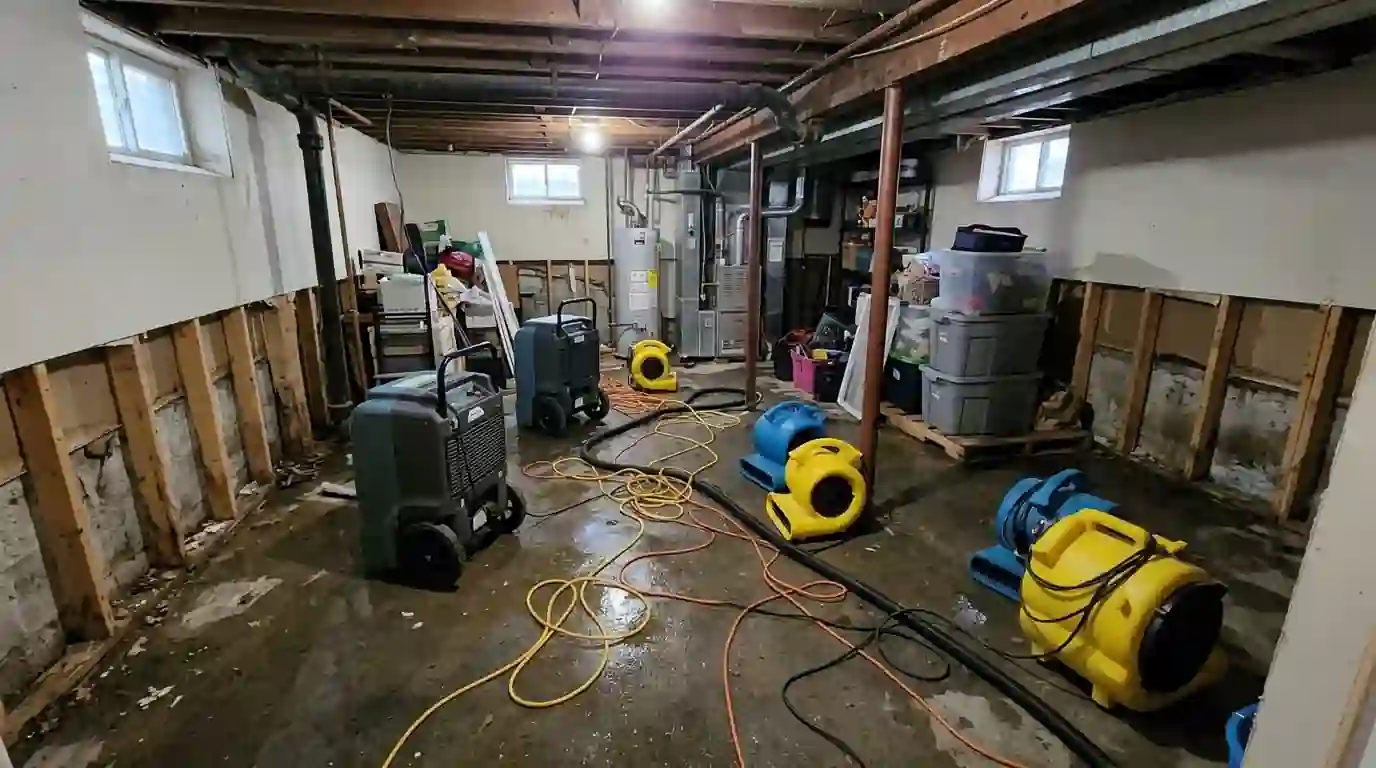
We work in protective suits and respirators, keep the affected area separated from the rest of the home, and dry it to readings afterward, because a disinfected basement that stays damp still grows mold. If walls were soaked, the cleanup includes a flood cut and drying of the framing behind them.
Floor drain and toilet backups
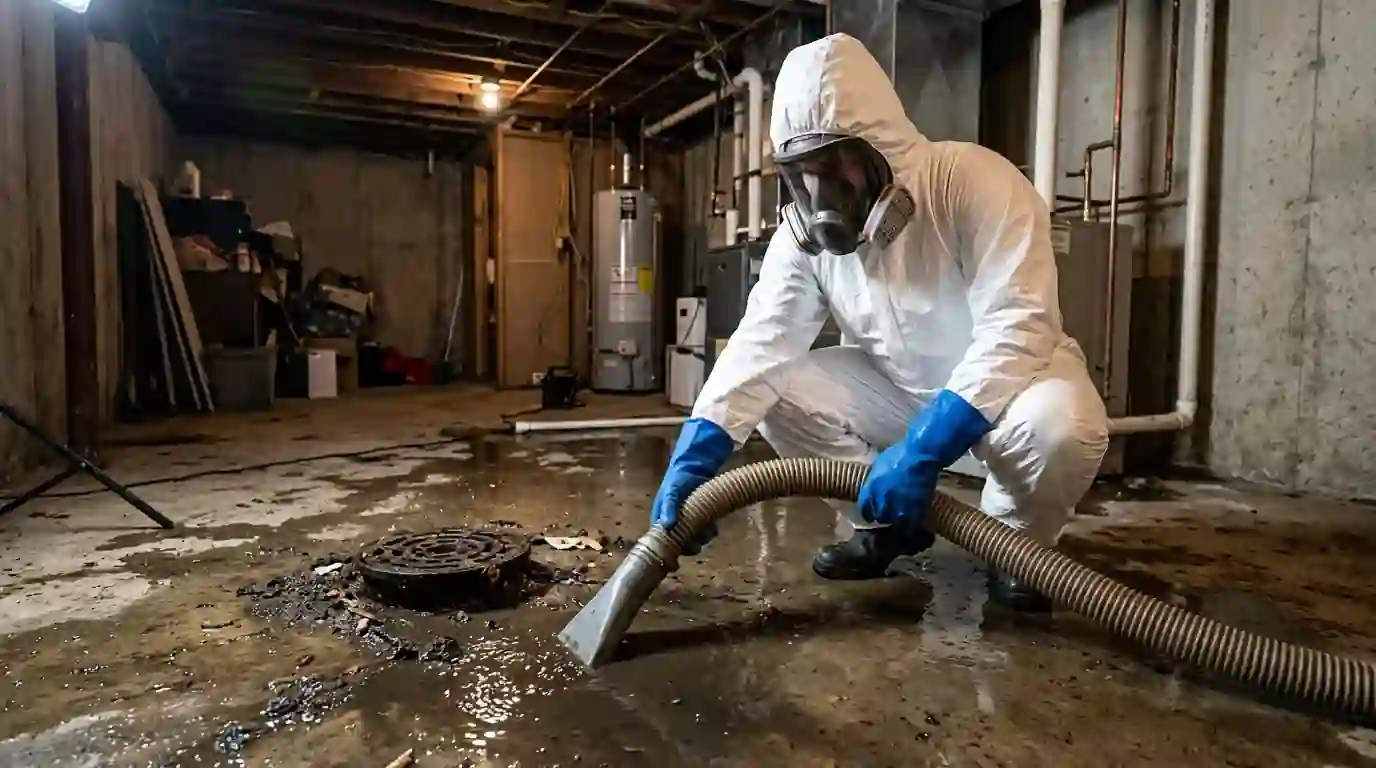
The lowest fixture in the building is where a blocked or surcharged line shows up first: a basement floor drain, a toilet or a laundry standpipe. Sometimes it is a trickle, sometimes inches of water across the slab. We extract it, remove soaked materials and disinfect the floor and the lower walls. Before we finish, a plumber needs to clear or camera the line, because cleaning up a backup that is about to repeat only helps until the next load of laundry.
Street sewer surcharge in heavy rain
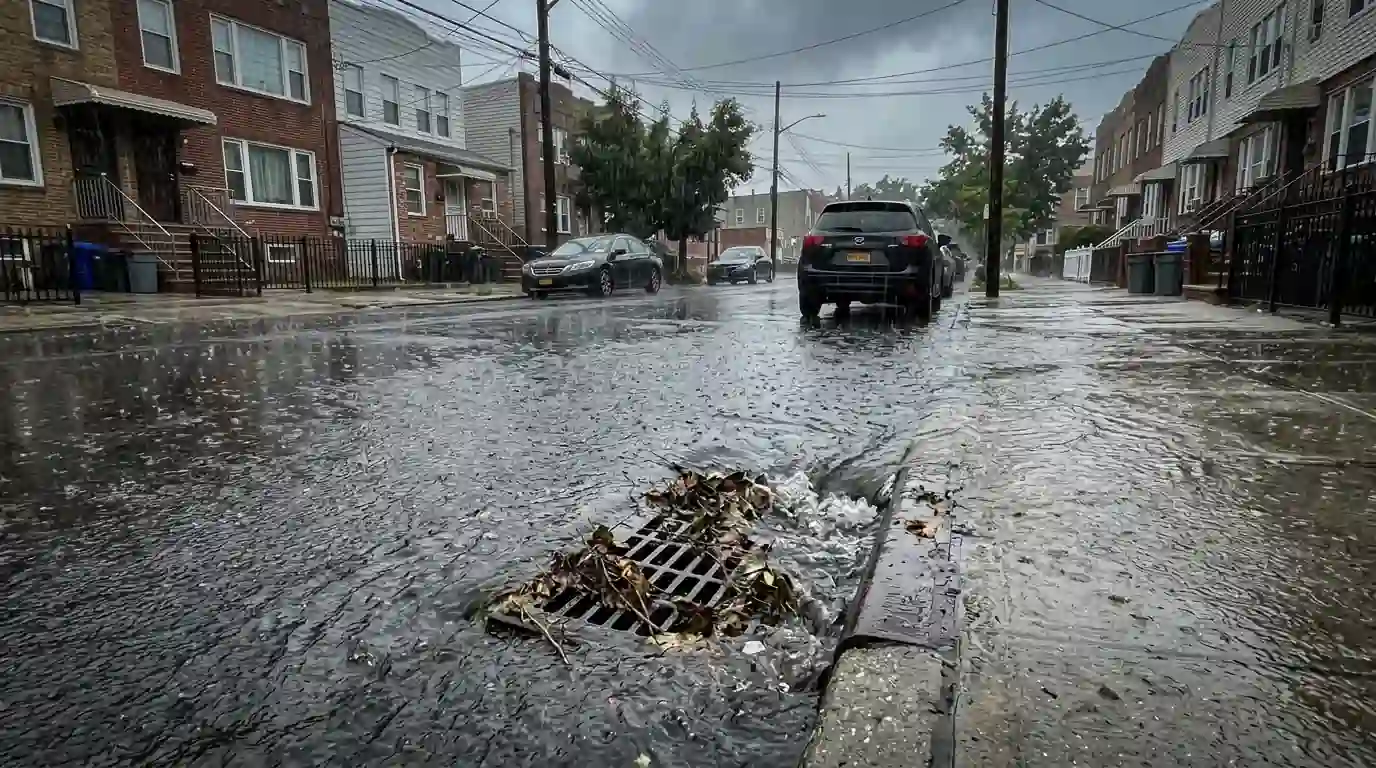
In a heavy storm, the city sewer in the street can fill faster than it drains and push water back up the building connection into the lowest drains. That water is a mix of stormwater and sewage, so it is treated the same as any other Category 3 loss. We clean up, and we point out where a backwater valve or a raised fixture could protect the basement the next time, which is work for a plumber and often worth asking about.
Grease blockage backups
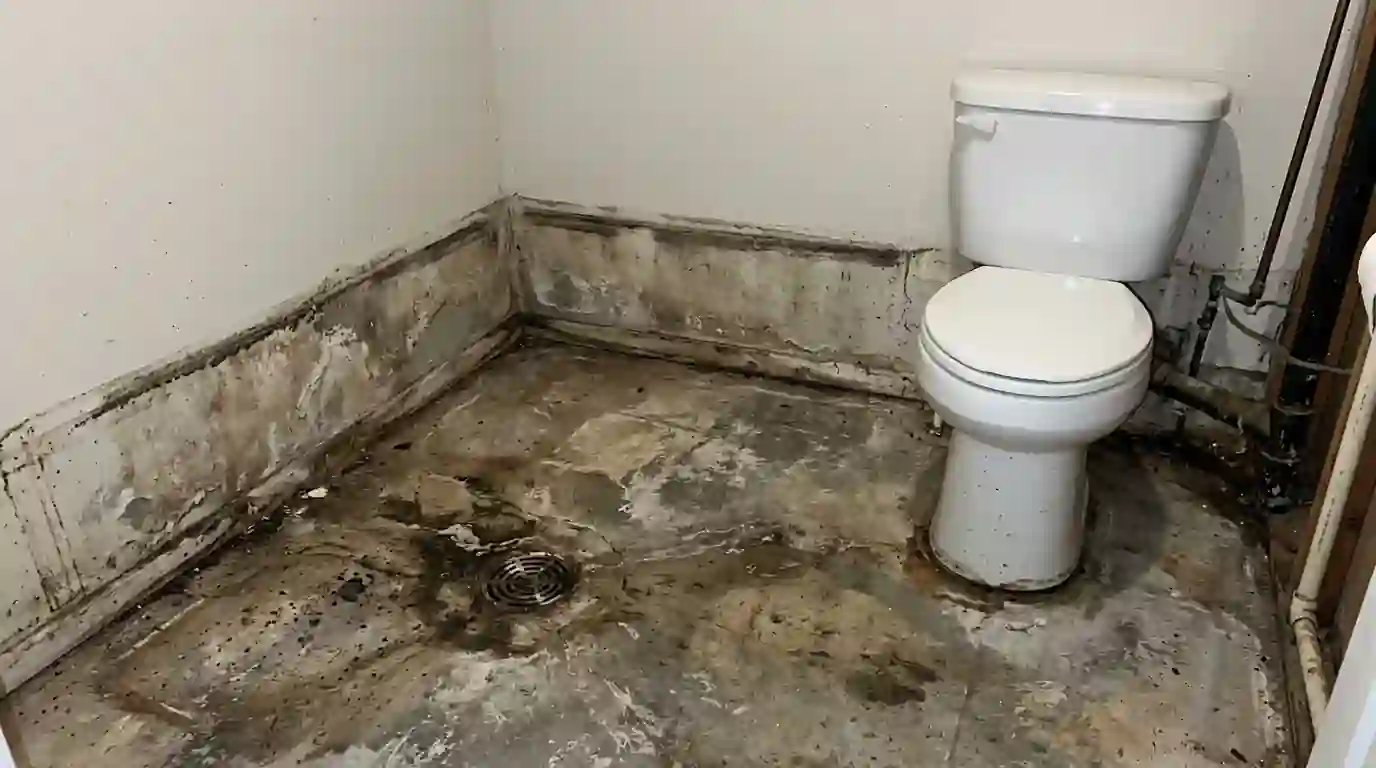
Grease poured down kitchen drains cools and hardens in the building line and in the sewer main, narrowing the pipe until a normal day of use backs it up. These backups often repeat in the same basements and restaurants. The cleanup is the same: extraction, removal of porous materials, disinfection and drying. The long-term fix is a cleared line and keeping grease out of the drains, which is why we note the cause in the job summary for the building owner or manager.
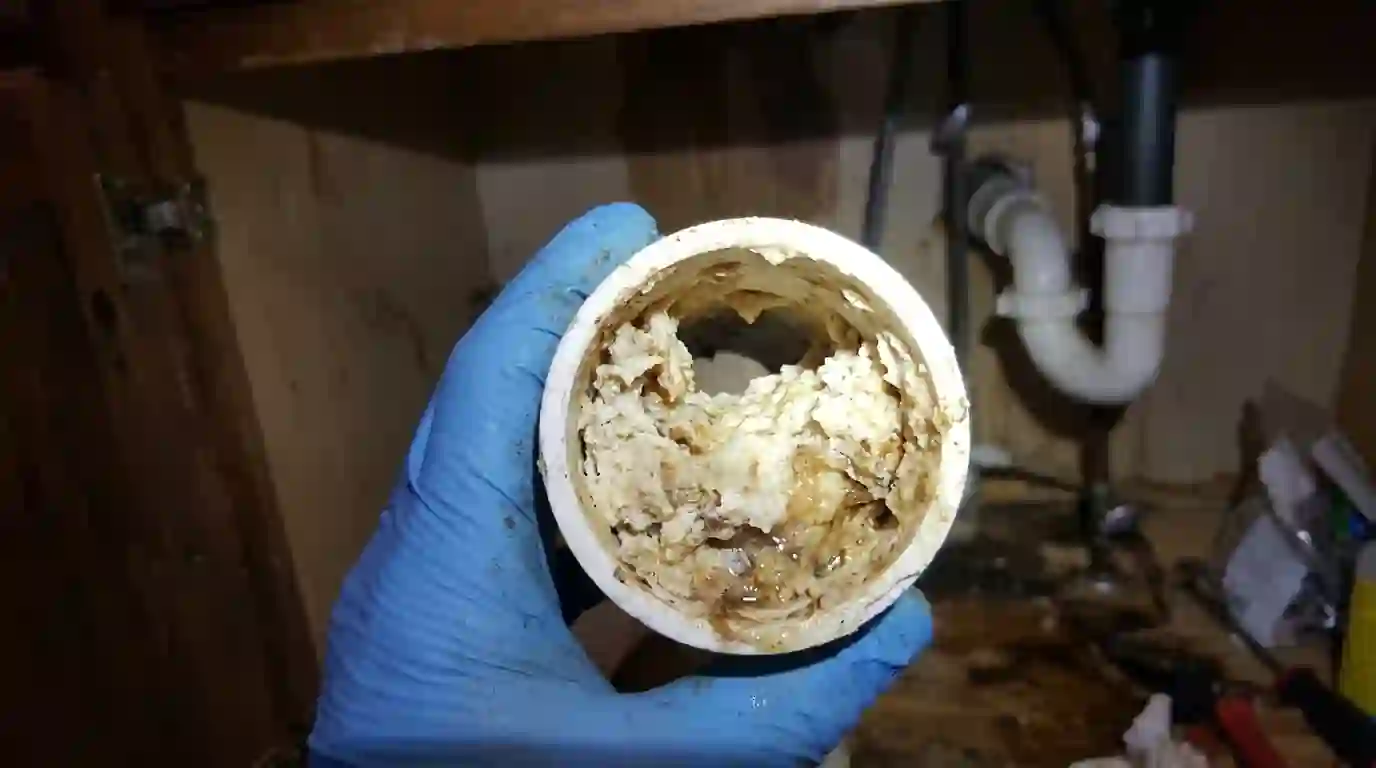
How long a sewage cleanup takes
Extraction and removal of contaminated materials happen first and quickly, because the longer sewage sits the more it soaks into walls and framing. Cleaning and disinfection follow, then drying, which is the longest step and depends on how wet the framing and slab are. We keep the area separated until readings show dry and the space is ready for rebuild.
How a sewage cleanup runs
Tell us whether the water is still coming up when you call.
We stop the spread
The area is closed off and power checked for safety.
We extract the water
Pumps and extractors remove standing sewage.
We remove what it soaked
Carpet, pad, drywall, insulation and contents that cannot be cleaned.
We clean and disinfect
Every hard surface in the affected area.
We dry to readings
Dehumidifiers and air movers until the framing and slab read dry.
We document it
Photos, readings and a list of removed items for your insurer.
Call (332) 234-9326A person answers, day or night.
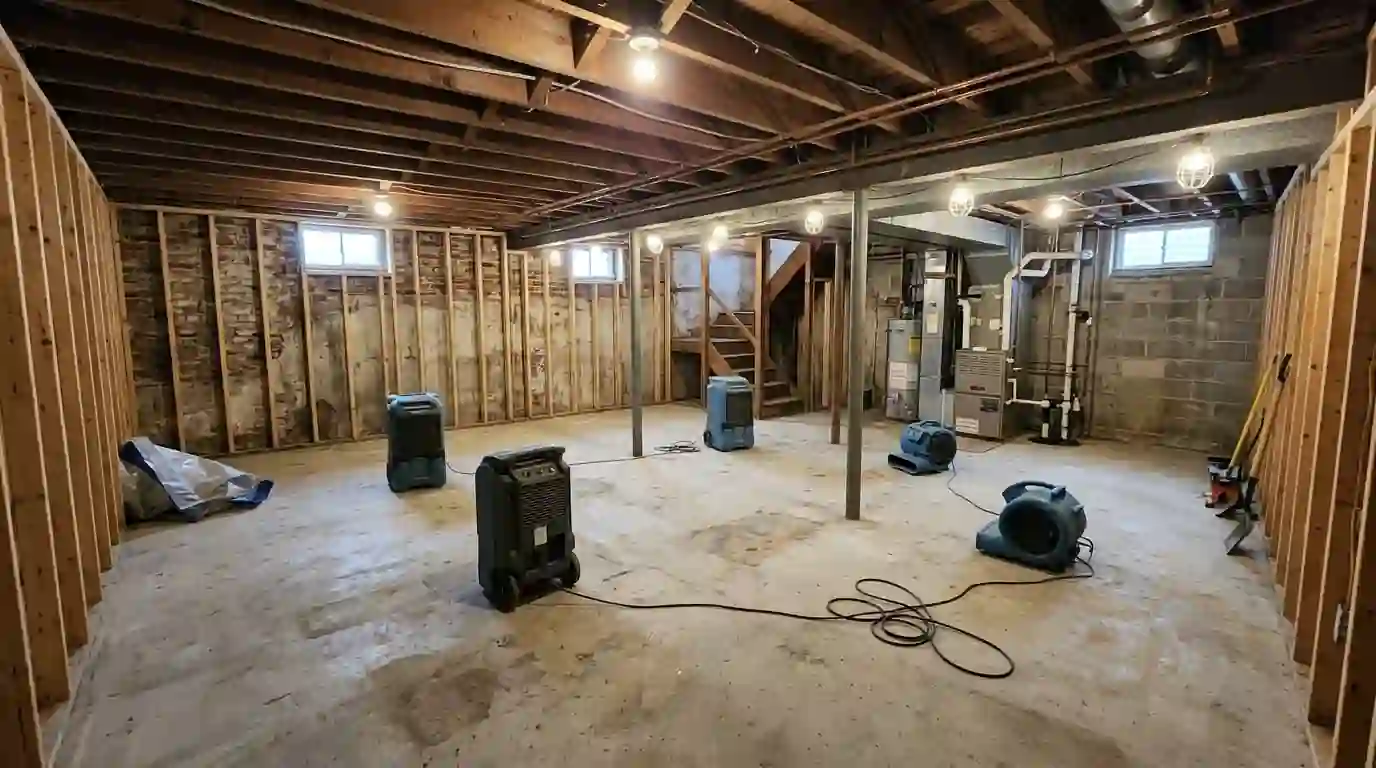
After a sewage cleanup: soaked materials out, surfaces disinfected, and the space drying before anything is rebuilt.
Talk to us nowNew York conditions
Why backups hit city basements so often
About 60 percent of New York City runs on combined sewers, one pipe carrying storm runoff and building waste, so a hard rain can push water back up through basement drains that have no backwater valve. Grease is the other common cause: the Department of Environmental Protection found it behind more than 60 percent of confirmed sewer backups, and community boards 12 and 13 in southeast Queens logged more than 4,800 backup reports over five years. We see both patterns in basements across Queens and the other boroughs.
What to do right now, and what to leave to us
What you can safely do
- Keep people and pets out of the affected area
- Stop using sinks, toilets and appliances that drain to the line
- Turn off power to the area only if you can reach the panel without standing in water
- Photograph the water and damage for your insurer
Where it needs us
- Any contact with the water or soaked materials
- Removing carpet, drywall, insulation or furniture that got wet
- Disinfection and drying of the space
- Deciding what can be cleaned and what must go
What sewage cleanup costs
National figures put water damage restoration at $450 to $16,000, averaging $3,865, with black water such as sewage at about $7.50 per square foot. The size of the affected area and how much has to be removed matter most.
Affected area
Square footage of floor and wall the water reached.
Materials removed
Finished basements lose more drywall, pad and flooring.
Contents
Furniture and stored items add removal and disposal.
Drying time
Wet framing and slabs take longer to dry.
Rebuild
Replacing what was removed is priced once drying ends.
Questions about sewage backup cleanup
We advise against it. The water carries bacteria, and porous materials it touched should be removed, not wiped.
It depends on the policy and any sewer backup endorsement. We document everything for your adjuster.
Carpet and pad soaked by sewage are removed. Hard flooring can often be cleaned.
Have a plumber clear the line and ask about a backwater valve. Keep grease out of the drains.
Once contaminated materials are out and the area is disinfected and dry, yes.
Yes. We answer 24/7, and sewage calls are handled as emergencies.
Related jobs we handle
Dehumidifier Installation
Sized dehumidifiers with a drain line, so the basement stays under 50 percent.
Flooded Basement Cleanup
Pump-out, tear-out of wet finishes and drying after a storm.
Water Damage Restoration
Extraction and drying within hours, so a leak never becomes a mold job.
Mold Remediation
Full removal inside sealed containment, from one room to a whole floor.
Sewage coming up through a drain right now?
Call now. We answer 24/7 and treat sewage backups as emergencies.
Answered 24 hours a day, 7 days a week