Quick answer
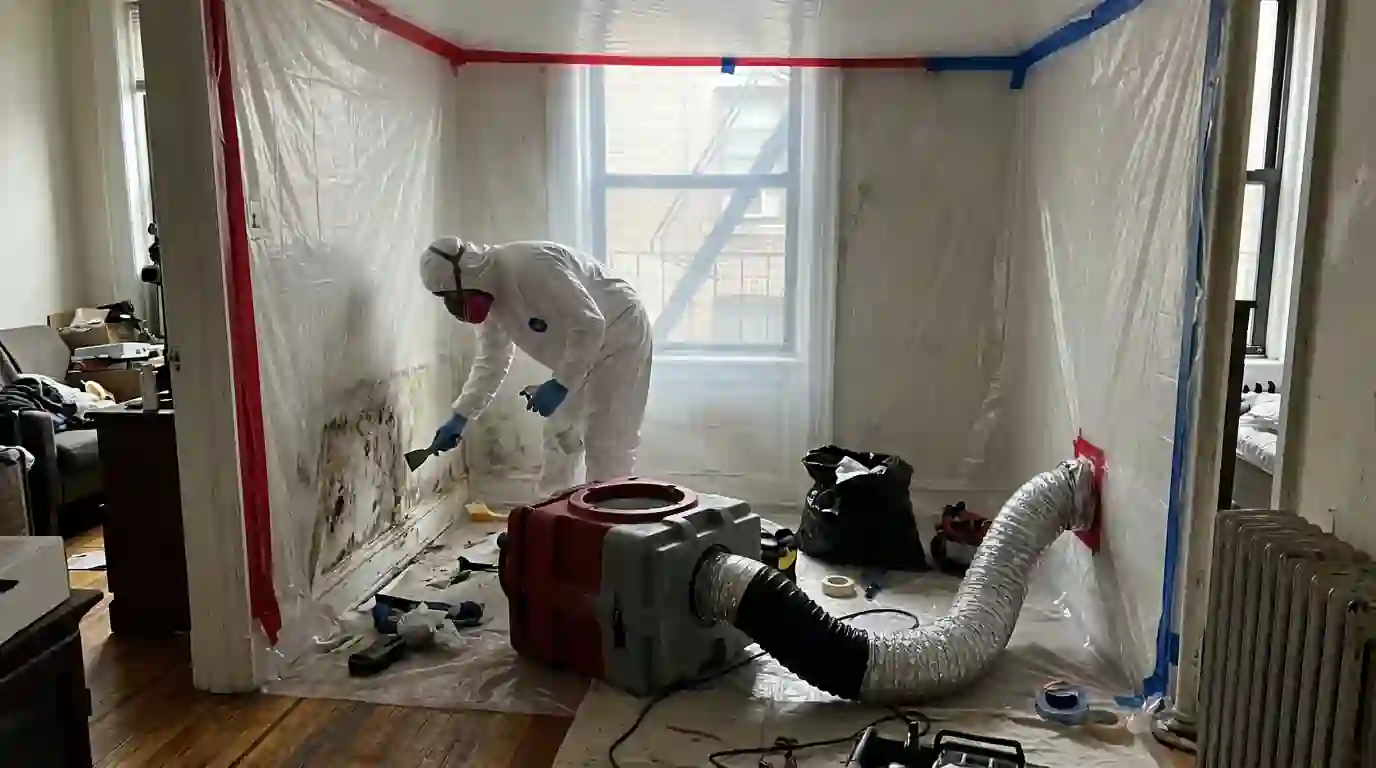
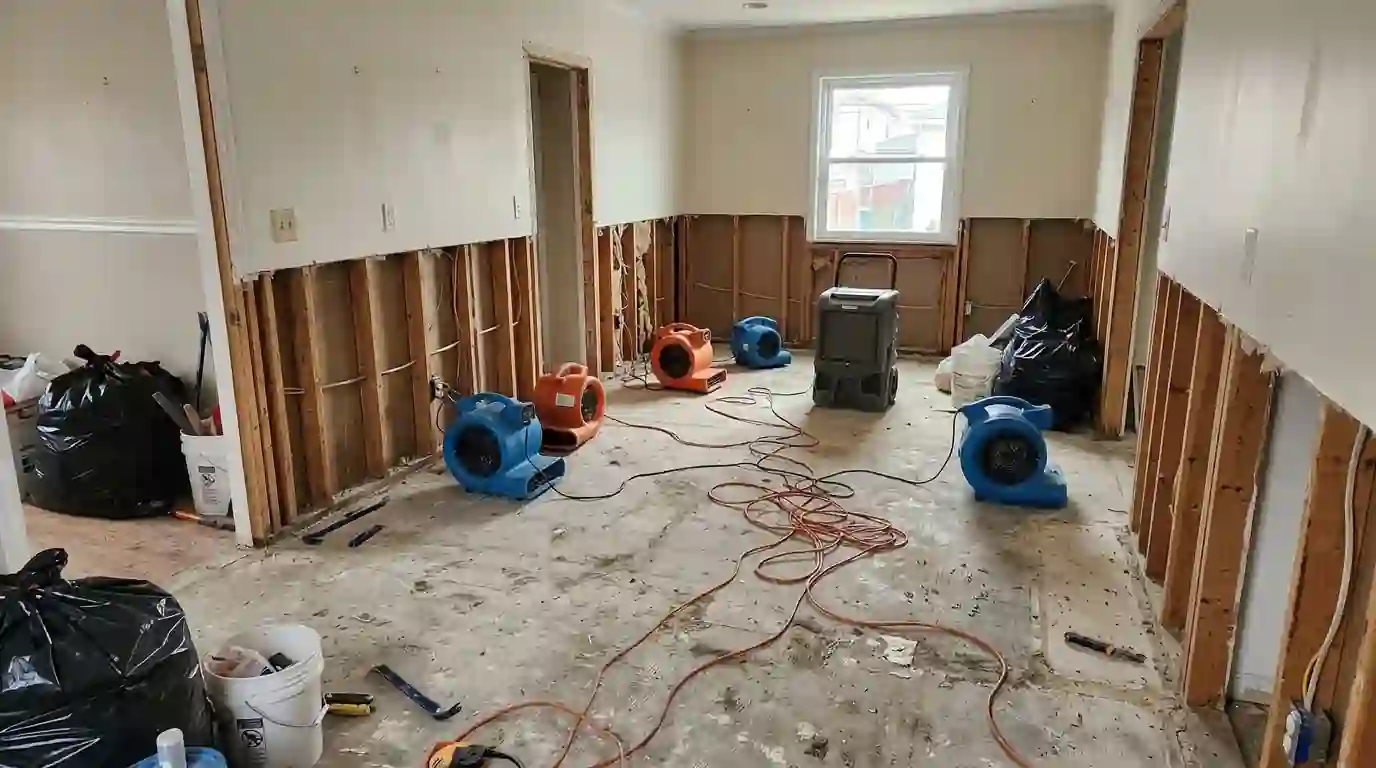
Flood cleanup in Howard Beach and South Ozone Park means dealing with salt water from Jamaica Bay, rain that cannot drain at high tide, and sewer water pushed back into houses. We extract, remove soaked drywall, insulation and flooring, disinfect where the water was contaminated, and dry to target readings before anything is rebuilt, then check for mold in the places that stayed wet.
Updated September 2026
Local conditions
Why flooding here keeps coming back
South Ozone Park and Howard Beach had a 69.7 percent homeownership rate in 2024, so most flood calls here come from owners living in the house that flooded. Many of those houses have been through it more than once.
Sandy set the baseline. A ten-foot surge from Jamaica Bay flooded Old Howard Beach, New Howard Beach, parts of Lindenwood and sections of Ozone Park. Federal figures put the damage at 62 percent of residential buildings, with nearly 2,000 homes taking at least two feet of water inside, and a damaged pumping station sent sewer water back into hundreds of homes.
It has not stopped. A storm in late September 2026 flooded residential blocks in Howard Beach, Broad Channel and Far Rockaway, the fourth major flooding event in Queens that year. With combined sewers serving much of the city, high tide and heavy rain together can push water up through floor drains as well as in through doors.
Jobs we do most in Howard Beach and South Ozone Park
Flooding drives almost every call we get from here. These six jobs cover most of them.
Flooded Basement Cleanup
Pump-out and tear-out after surge or tidal water fills the lower level.
Sewage Backup Cleanup
Disinfection and removal after sewer water comes back through floor drains.
Water Damage Restoration
Drying ground floors and walls after water comes in under the doors.
Crawl Space Mold Removal
Growth on joists and subfloor in crawl spaces that flooded and never dried.
Contents Mold Cleaning
Sorting, cleaning and drying belongings that can be saved after a flood.
Mold Damage Repair
Putting walls, floors and trim back once the structure reads dry.
After the water goes down
Salt water and sewer water both change the cleanup. Drywall and insulation that sat in either come out, not just dried, and hard surfaces get cleaned and disinfected before drying starts. We record water lines, readings and photos as we go, because flood claims here are often handled separately from a homeowner policy.
Homes that have flooded before often have hidden layers: old paneling over older drywall, or a subfloor that never dried after the last storm. We check for those before closing anything up, so this cleanup is not the start of the next mold job.
More in Queens
Nearby areas we also cover
Canarsie & Flatlands Nassau County South Beach & Midland Beach All coverage
Questions from Howard Beach & South Ozone Park
Yes. Materials that soaked it up are removed rather than dried, and hard surfaces are cleaned before drying starts.
Often it is both: high tide slows drainage and heavy rain backs up the sewer. We look at the drain and the entry points to tell which.
No. Photograph everything, then let drying start. We document the damage before materials come out.
Moisture readings at target levels across the walls and floors, written down before rebuilding begins.