Quick answer
Flooded basement cleanup in New York City starts with pumping out standing water and removing soaked carpet, pad, drywall and insulation within the first day or two, then drying the walls and slab to readings. Storm water that came up through drains is treated as contaminated, and national figures put that kind of water damage at about $7.50 per square foot.
Updated September 2026
What happens in the first two days
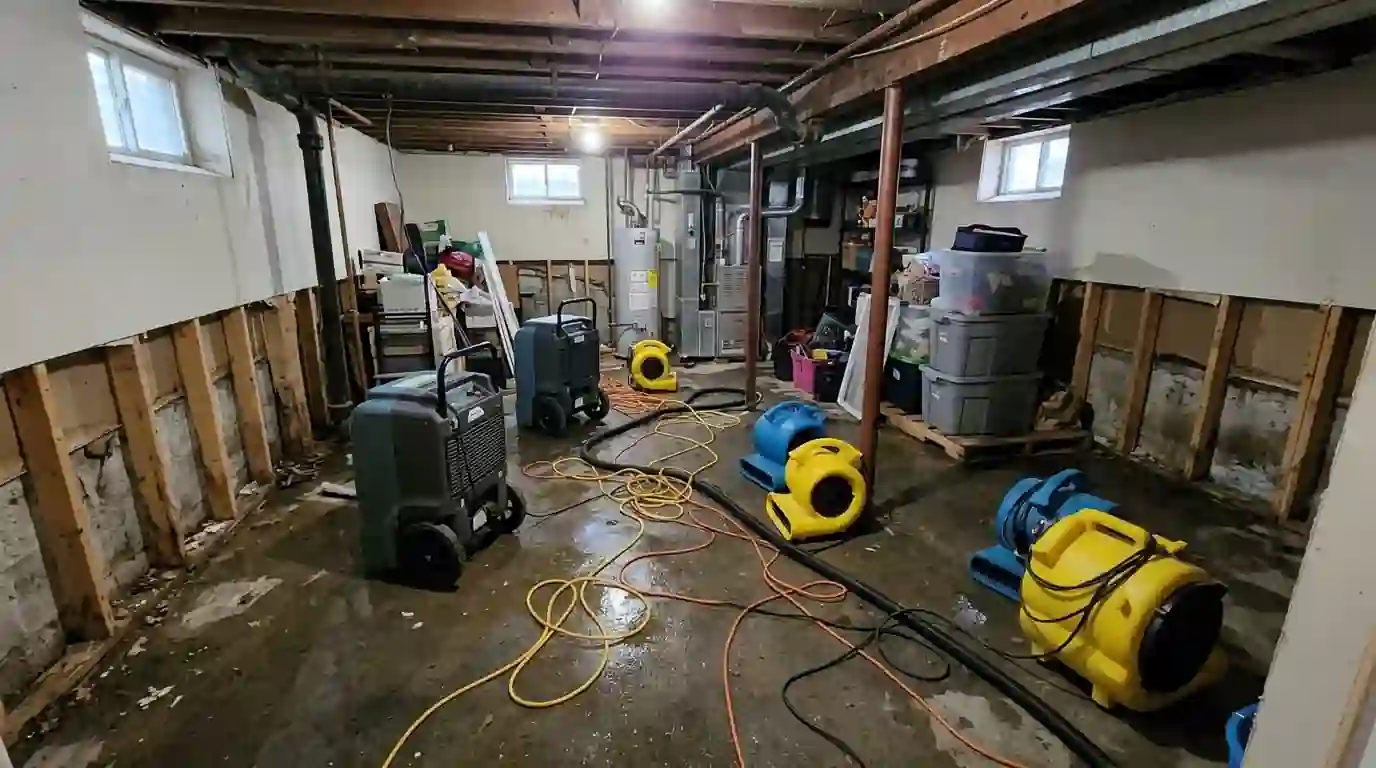
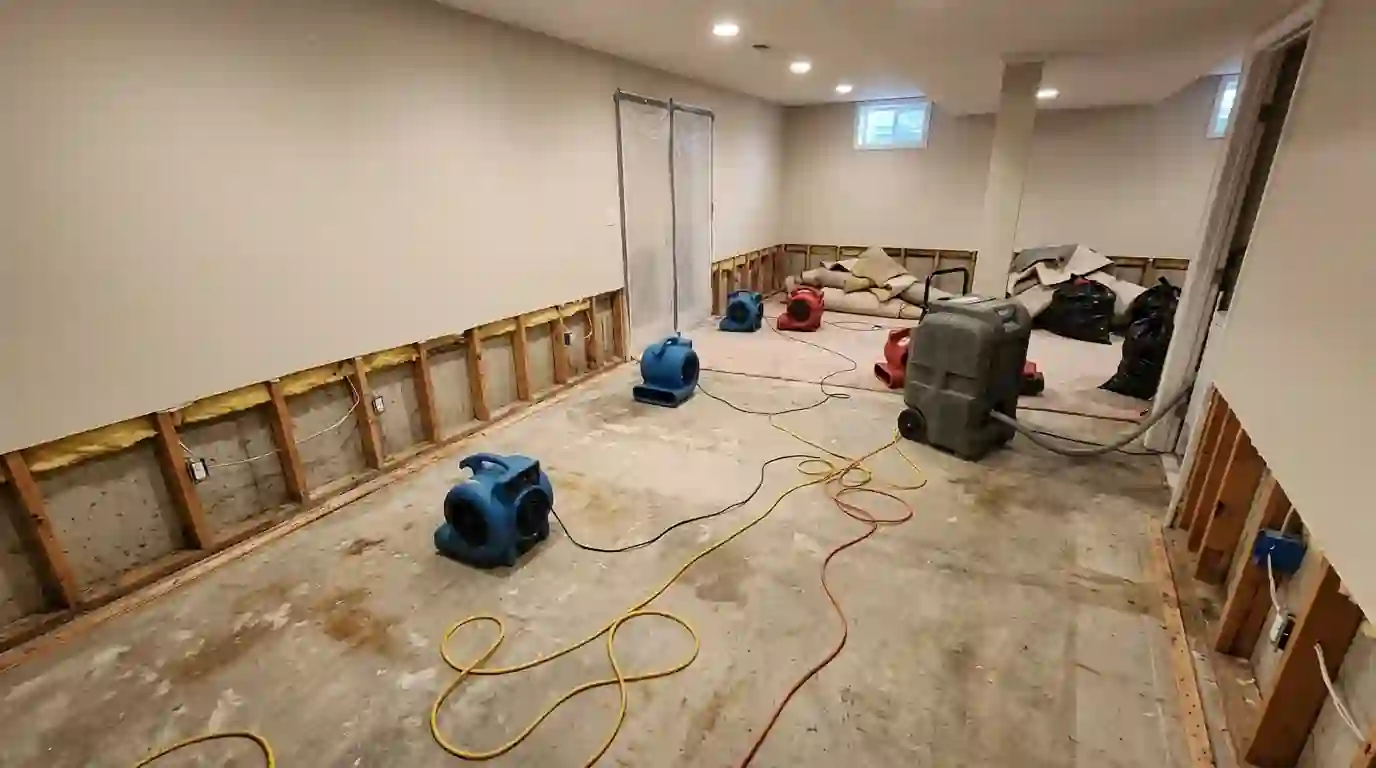
Once the water stops rising, speed decides the outcome. Standing water comes out with pumps and extractors. Carpet and pad, the bottom of finished walls, wet insulation and cardboard storage come out next, because they hold water against the framing and the slab. Where the water came up through a floor drain or across a street, it carried sewage and gets treated that way, with disinfection before drying.
Then dehumidifiers and air movers run until everything reads dry, checked on every visit. That step is what stops basement mold from showing up a month later behind a wall that looked fine. When sewage came up the drains, the job follows our sewage cleanup steps.
Flash flood water through doors and wells
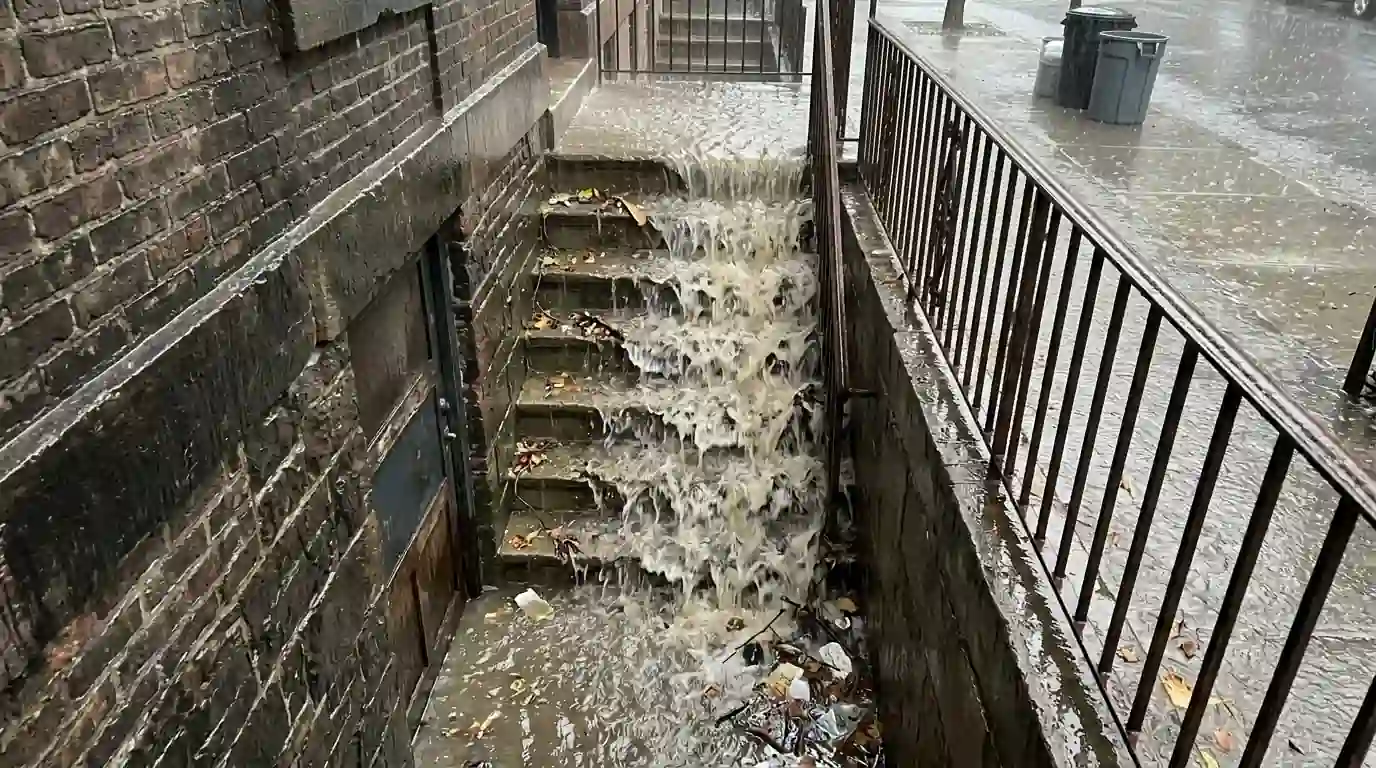
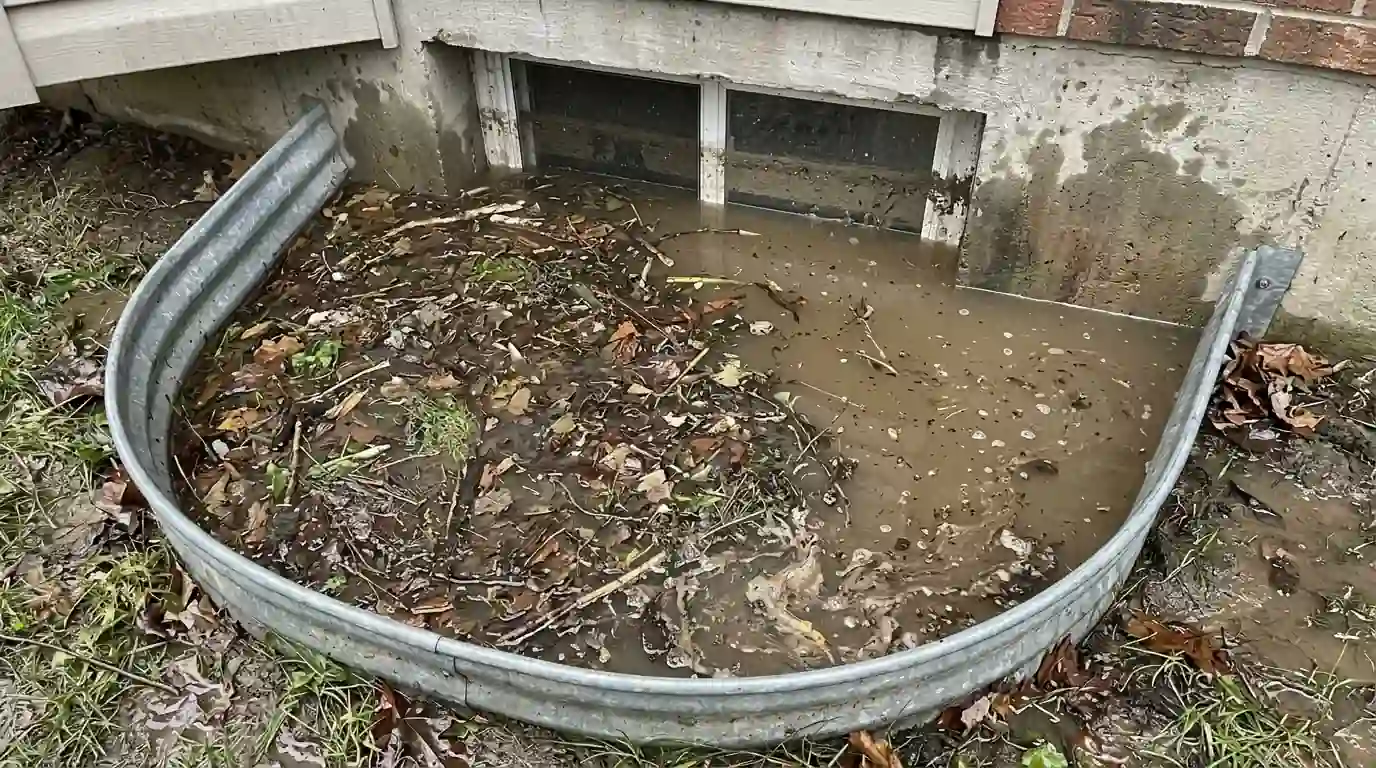
In a cloudburst, water pours down basement entry stairs, through window wells and under doors at grade faster than any drain can take it. It brings street runoff with it, which means dirt, oil and often sewage. We pump it out, remove the finishes it soaked, and clean and disinfect the floor and lower walls before drying. We also show you where it came in, because a raised threshold, a well cover or a better drain at the stair bottom can keep the next storm out.
Groundwater through foundation walls
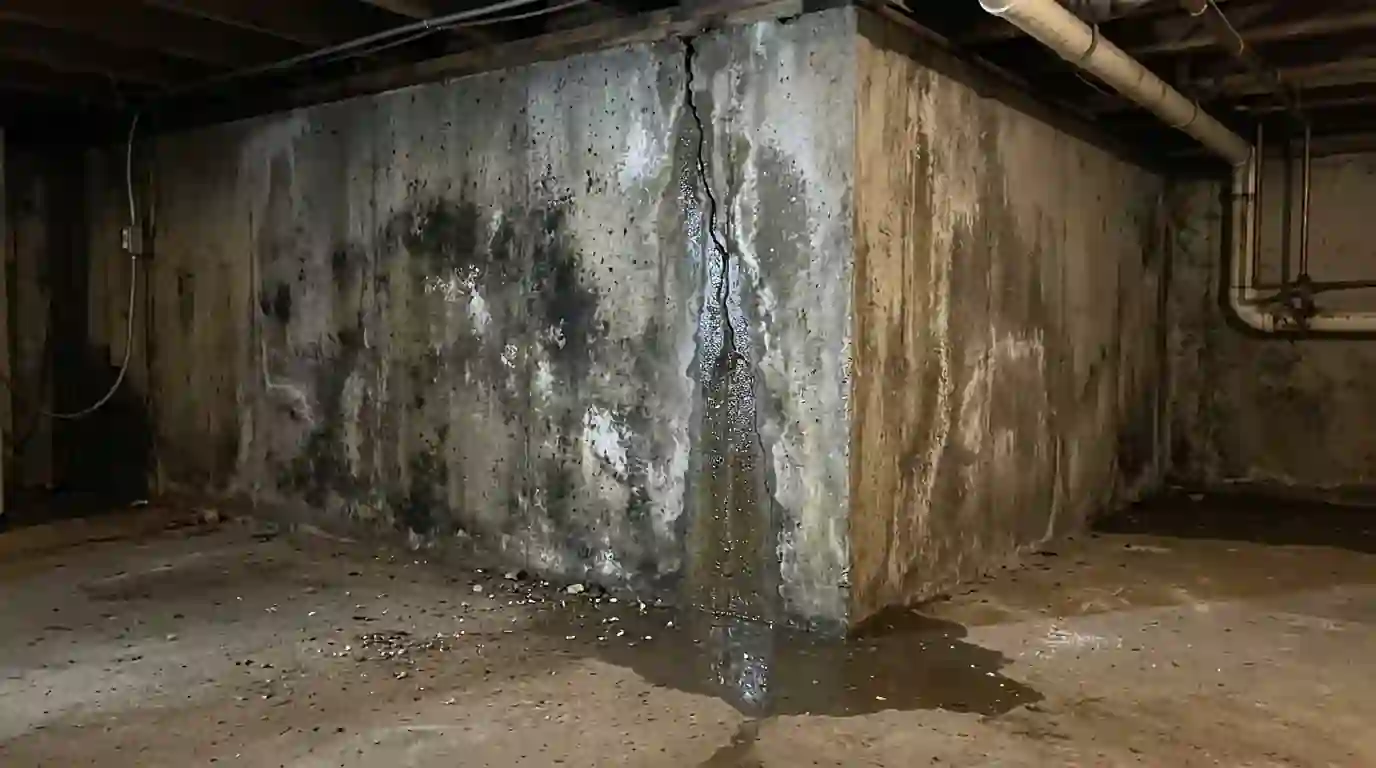
After days of heavy rain, groundwater can push through cracks in the slab and seep through foundation walls, leaving the basement wet from the ground up rather than from above. The water is cleaner than storm runoff, but it keeps coming as long as the soil is saturated. We extract and dry, note where it enters, and recommend the fix that fits: sealing cracks, adding a drain, or a sump pump, which is waterproofing work we can point you toward.
Finished basement tear-out
A finished basement holds far more water than an unfinished one: carpet and pad, laminate, drywall, insulation and built-ins all soak it up. We cut the drywall above the wet line, pull insulation and flooring, and remove what cannot dry in time. What stays gets dried to readings. We photograph every room before and after for the insurance claim, and when the space is dry we can put it back with moisture-resistant materials that will handle the next flood better.
How a flooded basement job runs
Tell us if water is still coming in when you call.
We make it safe
Power checked before anyone steps into the water.
We pump it out
Pumps and extractors remove standing water.
We tear out wet finishes
Carpet, pad, drywall and insulation above the wet line.
We clean and disinfect
Where storm or drain water carried contamination.
We dry to readings
Dehumidifiers and air movers, checked each visit.
We document the loss
Photos, readings and a list of removed items.
Call (332) 234-9326A person answers, day or night.
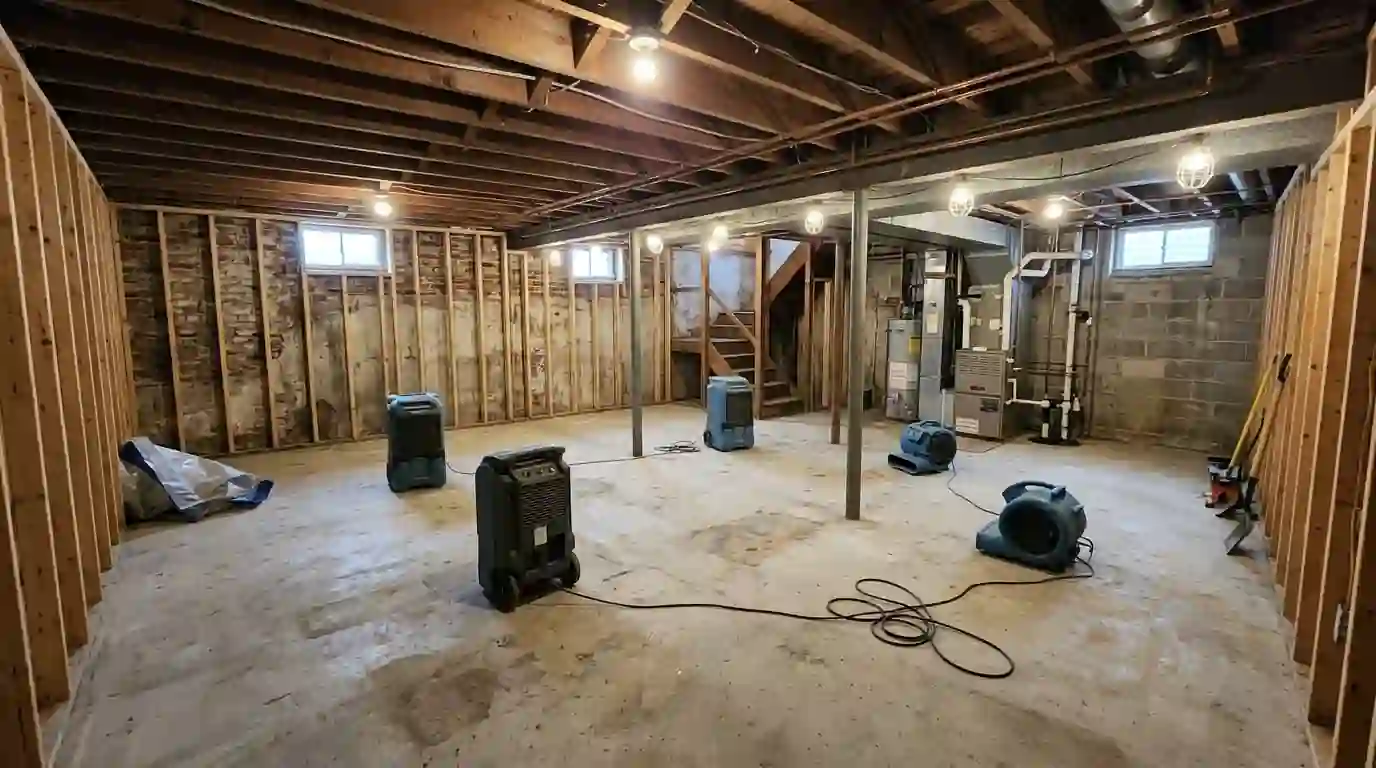
The finishes come out fast so the framing and slab can dry before anything grows.
Talk to us nowNew York conditions
What recent storms did to city basements
When the remnants of Ida dropped 3.15 inches of rain on Central Park in a single hour, water poured into basements across the five boroughs, and 11 of the 13 people who died in New York City were in basement apartments. Ida also left nearly 9 inches of rain on Staten Island. Storms like that fill basements in minutes, and the ones that avoid mold afterward are the ones that were pumped out and opened up within the first couple of days.
What to do right now, and what to leave to us
What you can safely do
- Stay out of standing water if power outlets or appliances are under it
- Move belongings that are still dry up and out of the basement
- Photograph the water level and damage for your insurer
Where it needs us
- Pumping out anything more than a shallow puddle
- Contact with water that came up through drains or from the street
- Removing wet drywall, insulation and carpet
- Drying the walls and slab to readings
What flooded basement cleanup costs
National figures put water damage restoration at $450 to $16,000, averaging $3,865, at about $3.50 per square foot for clean water and about $7.50 for sewage. Basement mold removal, if it gets that far, runs $500 to $3,000.
Water depth and area
How much of the basement was covered.
Water category
Groundwater, storm runoff or sewage.
Finishes removed
Finished basements lose more drywall and flooring.
Contents
Moving, cleaning or disposing of stored items.
Drying time
Block walls and slabs take longer to dry.
Questions about flooded basement cleanup
Not if you call now. The first day or two decides whether mold follows.
Storm and drain water often carries sewage. Avoid contact and keep kids and pets out.
Board above the wet line usually stays; below it usually comes out.
It depends on the cause and your policy; sewer backup and flood are often separate coverage. We document everything.
That is waterproofing work. We point out where one would help.
Once the walls and slab read dry and anything removed is put back.
Related jobs we handle
Sewage Backup Cleanup
Contaminated water removed, porous materials bagged and every surface disinfected.
Dehumidifier Installation
Sized dehumidifiers with a drain line, so the basement stays under 50 percent.
Water Damage Restoration
Extraction and drying within hours, so a leak never becomes a mold job.
Hidden Leak Detection
Meters, thermal imaging and a methodical search to find water before it becomes mold.
Water in the basement right now?
Call now. We answer 24/7 and start pumping as soon as we arrive.
Answered 24 hours a day, 7 days a week