Quick answer
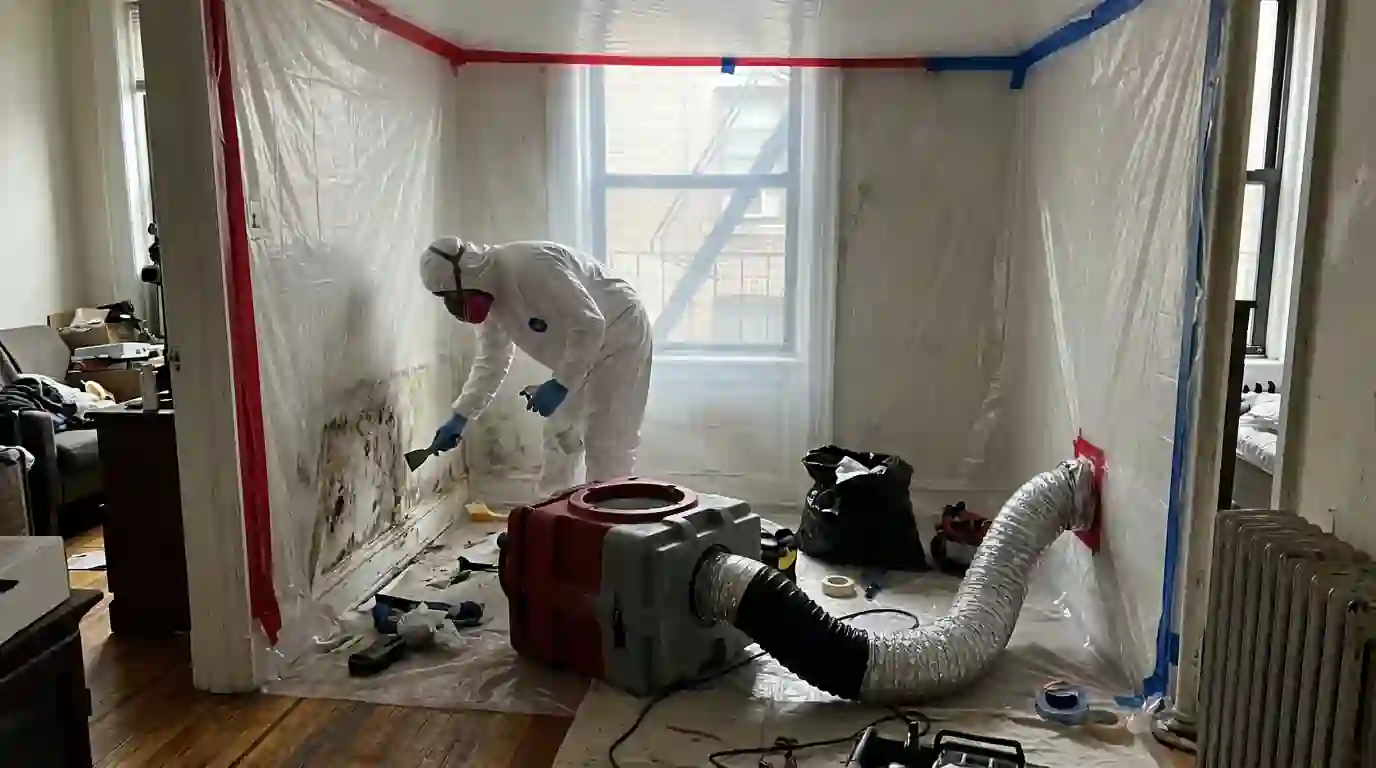
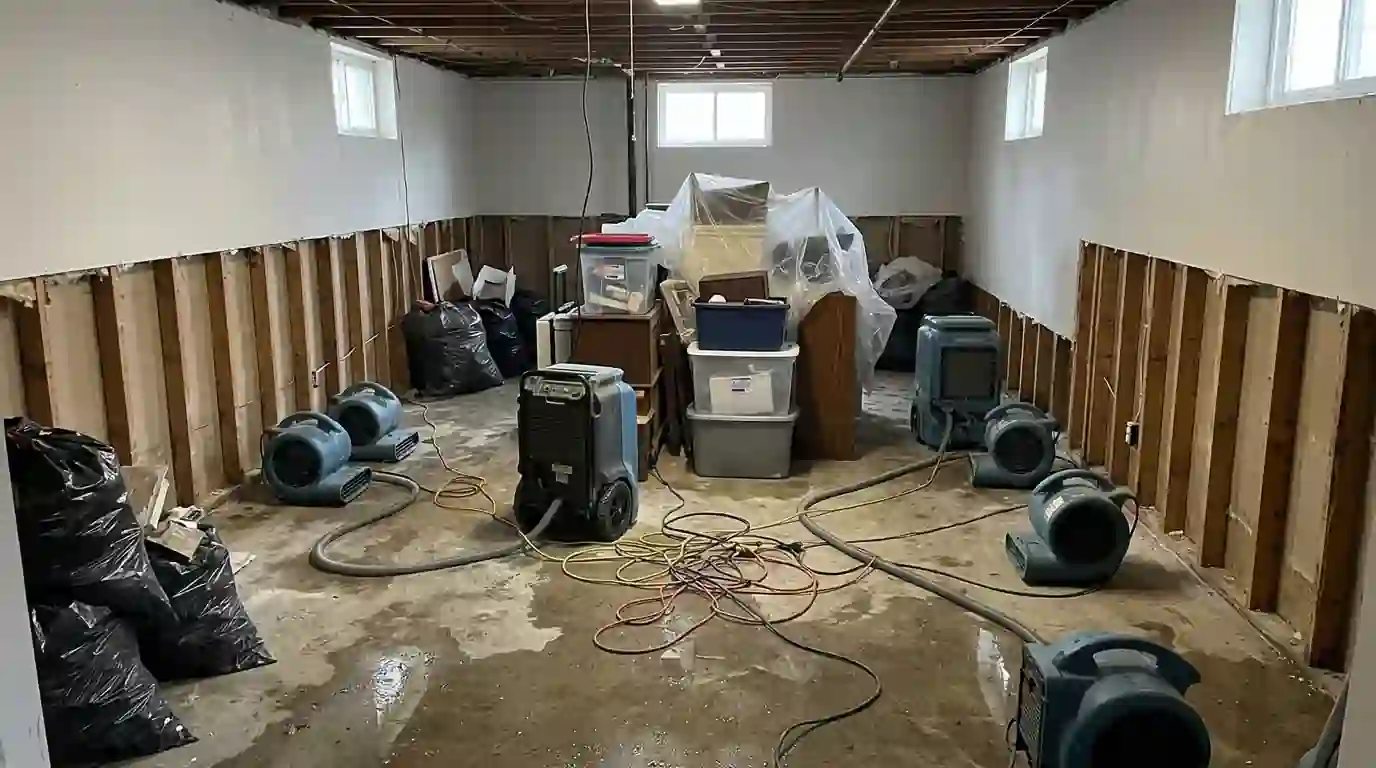
Mold work in South Beach and Midland Beach usually follows water: storm surge and heavy rain flooding basements and crawl spaces, groundwater seeping into low-lying homes, and wet insulation left in walls after a flood. We pump out, remove soaked materials, dry the structure to target readings, then remove any growth and document everything with photos and readings for the insurance claim.
Updated September 2026
Local conditions
Why East Shore homes grow mold after storms
Sandy pushed a 14-foot surge onto Staten Island in October 2012, and the surge covered more than 16 percent of the island's residential areas. In Midland Beach, South Beach and New Dorp, soaked insulation and belongings were pulled out of flooded basements for weeks.
The mold outlasted the water. In the months after the storm, a Staten Island congressman's office had received more than 60 complaints about mold-infested abandoned houses, including in Midland Beach, where neighbors worried about the house next door as much as their own.
The water keeps coming. Ida left nearly 9 inches of rain on Staten Island in 2021, and about 60 percent of the city runs on combined sewers that can back up into basements without a backwater valve. Once a basement or crawl space is wet, mold can take hold within a day or two.
Jobs we do most in South Beach and Midland Beach
Storm water and the mold that follows drive most of our East Shore work. Each job has its own page.
Flooded Basement Cleanup
Pump-out, tear-out and drying after surge or heavy rain.
Black Mold Removal
Removing heavy growth on drywall, framing and insulation after a flood.
Crawl Space Mold Removal
Joists, sills and ground cover under bungalows and additions.
Water Damage Restoration
Drying walls, floors and framing to target readings.
Sewage Backup Cleanup
Floor drain backups cleaned and disinfected.
Contents Mold Cleaning
Belongings sorted, cleaned or documented as a loss.
Working after a storm
After a flood, the order matters: get the water out, remove what cannot dry in time, dry the rest to readings, and only then remove the mold that remains. Doing it out of order leaves wet framing behind new drywall.
We photograph every room before anything is removed and record readings each day, because flood and homeowner policies often separate what they cover. The record helps your adjuster see exactly what the water reached.
More in Staten Island
Nearby areas we also cover
Canarsie & Flatlands Brooklyn Hudson County, NJ All coverage
Questions from South Beach & Midland Beach
Start within 24 to 48 hours. After that, mold can establish on wet drywall, framing and insulation.
Any heavy growth should be removed properly; the color matters less than how much there is.
Yes. We dry and treat crawl spaces and replace the ground cover where needed.
Spores travel, but mold needs moisture to grow. Keeping your own home dry is what protects it.