Short answer
Mold remediation in New York City is priced against national figures of $1,223 to $3,757 for a typical project, averaging $2,368, while whole-house jobs run $10,000 to $30,000. Locally, the size of the affected area, access in multi-family buildings, the containment needed and how much material comes out drive the price more than anything else.
The national numbers
These ranges come from national cost guides. They are useful for planning, not as a quote: they tell you roughly where a job of a given type tends to fall before anyone has looked at it.
| Job | National range |
|---|---|
| Typical mold remediation | $1,223 to $3,757, average $2,368 |
| Mold inspection | $303 to $1,045 |
| Mold testing | $250 to $350 |
| Bathroom mold removal | $500 to $1,000 |
| Basement mold removal | $500 to $3,000 |
| Attic mold removal | $1,000 to $4,000 |
| HVAC system mold removal | $3,000 to $10,000 |
| Whole-house remediation | $10,000 to $30,000 |
What you pay for in a typical job
A remediation price is the sum of a few distinct pieces of work. Knowing them makes quotes easier to compare, and shows why a price that looks low often leaves something out.
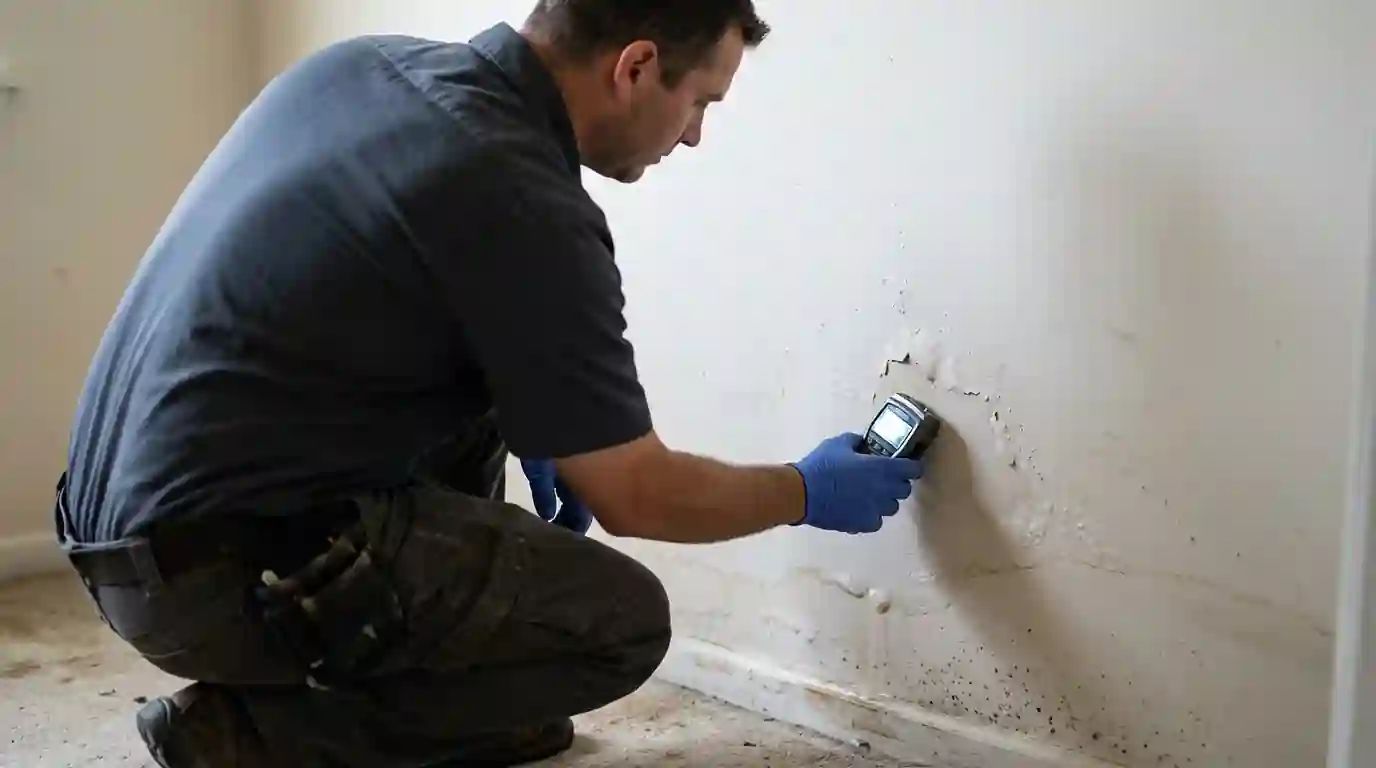
- Finding the moisture. Readings and thermal imaging that set the boundary of the job.
- Containment. Plastic walls, a zipper door, sealed vents and an air scrubber exhausting outside.
- Removal and disposal. Cutting out and bagging drywall, insulation, carpet or cabinet parts inside the sealed area.
- Cleaning. HEPA vacuuming and damp wiping of framing and every hard surface in the area.
- Drying. Dehumidifiers and air movers running until the materials read dry, checked on each visit.
- Rebuild. New board, plaster, trim and paint, usually quoted separately once drying is done.
Where common jobs tend to land
These pairings use the national figures above. They are a way to place your situation in a range, not a price for it.
- Spots on a bathroom ceiling from shower steam: usually within the bathroom range of $500 to $1,000, and often less if the board is sound.
- A finished basement after a flood: basement mold removal runs $500 to $3,000 nationally, before any rebuild of walls and flooring.
- Stained attic sheathing from winter condensation: attic jobs run $1,000 to $4,000, with insulation replacement the biggest variable.
- Growth through several rooms after a long leak: these move toward whole-house figures of $10,000 to $30,000.
Where a job sits inside each range depends on the factors in the next sections: how much material comes out, how hard it is to reach, and what the building requires.
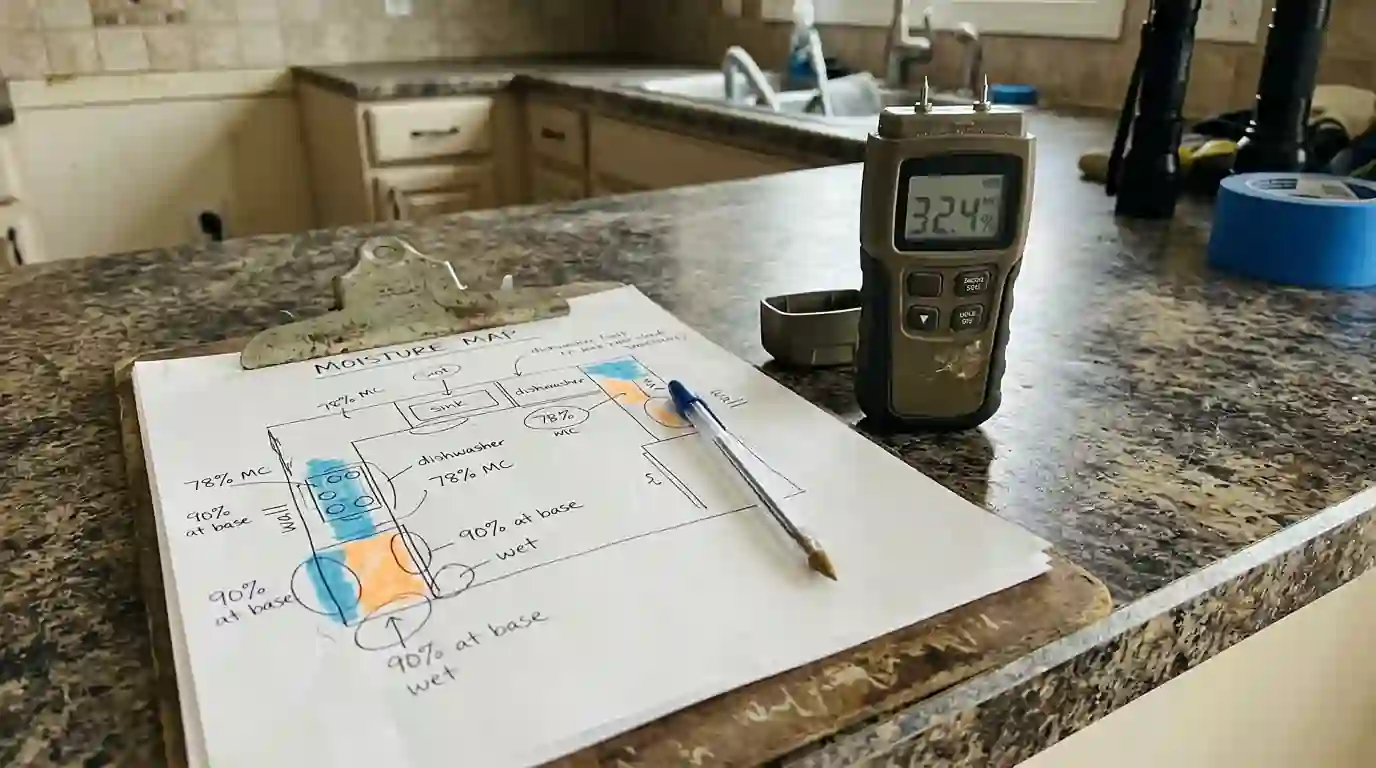
The readings set the price. We map the wet area before we quote, so the number reflects the real job.
Talk to us nowWhat makes a job cost more
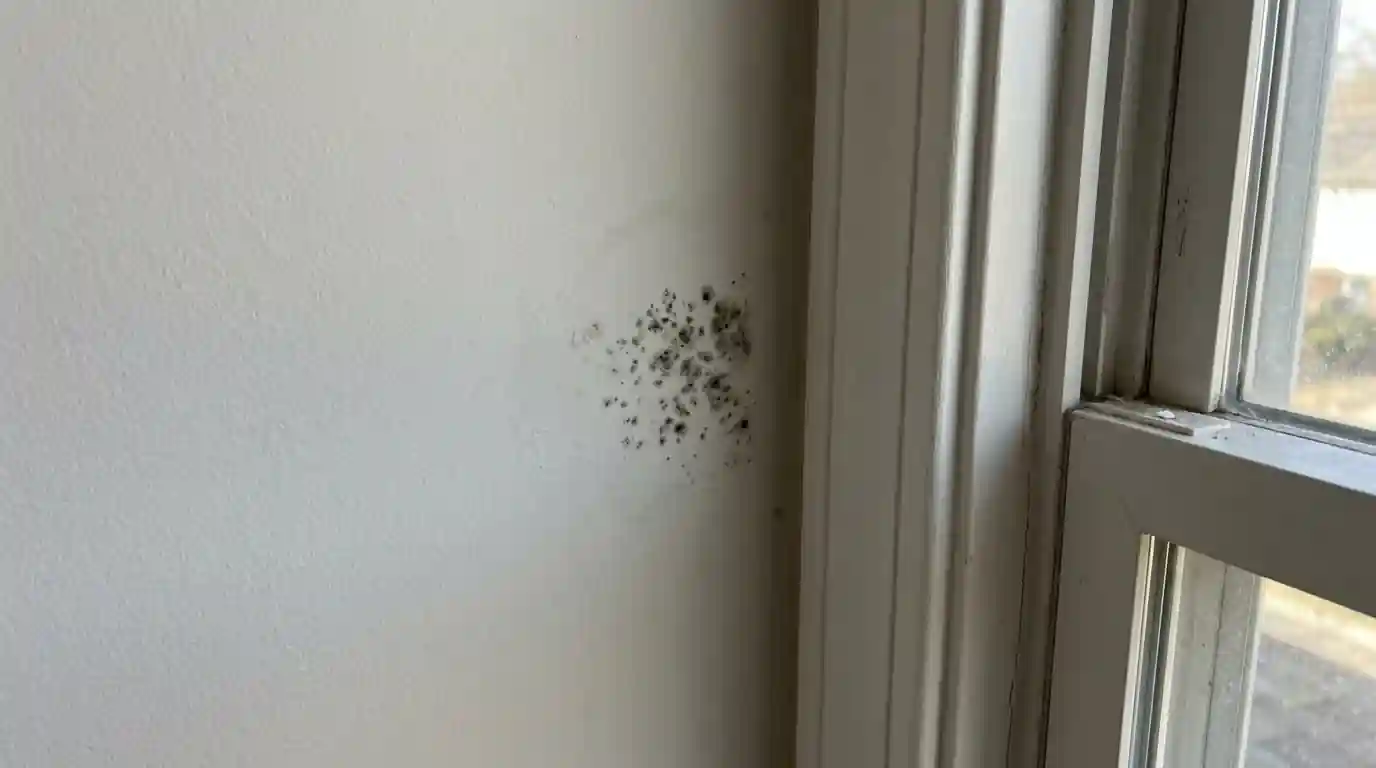
Two jobs with the same patch of visible mold can cost very different amounts, because the visible part is rarely the whole job. These are the things that move the number most.
- Area of growth and wet material. The wet boundary, not the visible spot, sets how much comes out.
- Material. Drywall and insulation are cut out and replaced; concrete and sealed surfaces are cleaned.
- Access. Growth behind cabinets, under tile, in an attic or under a floor takes longer to reach.
- Containment. A sealed room under negative air costs more to set up than a small work area, and is worth it.
- The water source. A leak repair by another trade may be part of the total.
- Rebuild. New board, plaster, trim and paint once the area is dry.
What changes in New York buildings
More than half of the city's housing units are in buildings put up before 1947, so plaster walls, cast iron risers and shared plumbing are common. A leak in a riser can reach several apartments, and plaster takes longer to open and repair than drywall.
Apartment work also carries building logistics: elevator bookings, hallway protection and restricted work hours. In buildings with 10 or more units, mold over 10 square feet has to be assessed and removed by two independent companies, which adds an assessment and a clearance to the budget.
How to read a mold remediation quote
A good quote tells you what will happen, not just what it costs. Look for these before you compare prices.
- Where the water is coming from, and who fixes it
- How the work area will be contained
- Which materials come out, and roughly how much
- How drying will be checked before anything closes
- Removal and rebuild priced separately
- What documentation you get at the end
Why the cheapest quote can cost more
A low number often means containment, drying or the water source were left out. Mold removed from a wall that is still wet grows back, and spores spread through an unsealed apartment end up in the next room, the closet and the air handler. Paying twice for the same wall is the most expensive outcome, so compare what each quote includes before comparing totals.
Ways to keep the cost down
The cheapest mold job is the one caught early. Most of the savings come from what happens in the first few days after water shows up.
- Call while the patch is small, before it spreads past a few square feet
- Stop leaks and start drying within a day or two
- Do not paint over it; paint hides the stain and traps moisture
- Clear furniture and stored items away from the area before the visit
- Keep the rebuild quote separate so you can compare it on its own